Part of the PhillyLegalConnect Quick Answer Series
Simple answers to common accident, insurance, and injury questions affecting Philadelphia, Pennsylvania, South Jersey, and the Jersey Shore.
Quick Answer
Yes. Choosing Limited Tort in Pennsylvania does not automatically prevent you from bringing a claim after a car accident. In general, Limited Tort primarily affects whether you may recover compensation for pain and suffering in certain situations. You may still have important legal rights after an accident, and the details depend on your injuries, your insurance coverage, and the specific facts of your case.
Key Takeaways
- Choosing Limited Tort does not mean you lose all legal rights after an accident.
- Pennsylvania law recognizes situations where additional rights may still be available.
- Every accident is different, so understanding your insurance coverage is an important first step.
- If you have questions, learning about your options early can help you make informed decisions.
Understanding Limited Tort
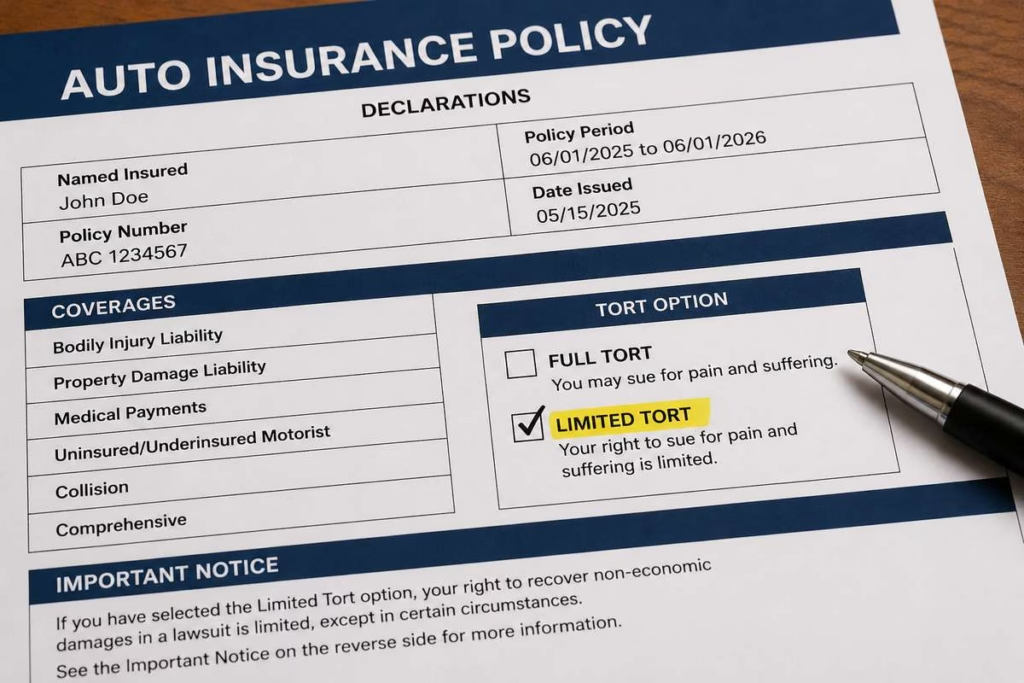
Many Pennsylvania drivers choose Limited Tort because it can reduce the cost of their automobile insurance premiums. After an accident, however, the term “Limited Tort” often creates confusion.
One of the most common misunderstandings is that Limited Tort means you cannot pursue a claim after an accident. That is not necessarily true.
Limited Tort generally affects certain types of damages rather than eliminating every potential claim. Depending on the circumstances, accident victims may still have rights relating to medical expenses, lost income, property damage, and other losses. In some situations, Pennsylvania law also provides exceptions that may allow additional recovery.
Understanding what your insurance policy says—and how it applies to your particular situation—is often one of the first questions worth exploring after a crash.
Related Pennsylvania Insurance Quick Answers
Learn more about Limited Tort, Full Tort, uninsured and underinsured motorist coverage, stacking, and other Pennsylvania automobile insurance questions.
More Accident & Insurance Information
These related PhillyLegalConnect articles address practical issues that may arise after a Pennsylvania automobile accident.
Explore More PhillyLegalConnect Resources
Explore broader PhillyLegalConnect guides covering accidents, insurance, injury claims, neighborhood safety, rideshare issues, and South Jersey and Jersey Shore injury topics.
Questions About Limited Tort After a Car Accident?
Limited Tort can affect whether an injured person may recover compensation for pain and suffering after a Pennsylvania car accident. The answer can depend on the policy, the facts of the crash, the nature of the injuries, and whether an exception may apply.
For more information about car accident claims and legal options, visit The Oakes Firm’s Philadelphia Car Accident Guide.
What To Do Next
If you’ve recently been involved in a Pennsylvania accident:
- Review your automobile insurance declarations page to determine whether you selected Limited Tort or Full Tort.
- Keep copies of your medical records, bills, and other accident-related documents.
- Learn how Pennsylvania’s insurance system applies to your situation before making important decisions about your claim.
- Explore the related guides on PhillyLegalConnect to better understand your options.
About PhillyLegalConnect
PhillyLegalConnect was created to help individuals and families better understand accidents, insurance, injury claims, and safety issues affecting Philadelphia, South Jersey, and the Jersey Shore.
Our mission is to explain complicated legal and insurance topics in clear, practical language so readers can make informed decisions after an accident or injury.
About the Author
Thomas G. Oakes has more than four decades of experience working in and around Pennsylvania and New Jersey courtrooms. Throughout his career, he worked with attorneys, judges, and litigation teams, gaining firsthand insight into how accident and injury claims are investigated, documented, and presented.
Today, he serves as editor of PhillyLegalConnect, developing educational resources that help readers better understand accident, insurance, and personal injury topics.
Continue Learning
Explore more educational resources from PhillyLegalConnect:
Need Legal Guidance?
If you may need legal representation after an accident, learn more about The Oakes Firm.
Call (215) 883-4412
Connect With The Oakes Firm →Learn more about the purpose of this site on our About PhillyLegalConnect page.