Rideshare accidents in Philadelphia — including Uber, Lyft, delivery-driver crashes, and transit-related injuries — are now part of everyday life across the city, from Center City pickups to airport rideshare lanes to SEPTA and Regional Rail commutes. This hub brings together our most important Philadelphia guides on rideshare accidents, delivery crashes, and public transit injuries in one place.
Written by a lifelong Philadelphian with more than 45 years in the legal field.
Key Takeaways
- Uber & Lyft cases can involve multiple insurance layers depending on app status (off-app, available, or on-trip).
- Delivery crashes often involve time pressure, double-parking, illegal stopping, and phone distraction.
- Transit injuries (SEPTA/train/subway stations) may involve different procedures and deadlines than a typical car crash.
- After any crash, photos, witnesses, app screenshots, and medical documentation matter — and evidence can disappear fast.
Start Here: Core Philadelphia Rideshare, Delivery & Transit Guides
- Uber & Lyft Accidents: Key Differences from Regular Car Crashes
- Rideshare, Delivery & Gig-Worker Accidents in Philadelphia: What You Need to Know
- Gig Economy Delivery Accidents in Philadelphia: Pedestrians at Risk
- PHL Airport Winter Rideshare Accidents: Congestion, Driver Turnover & Passenger Safety
- Injured in a SEPTA Bus or Train Accident? Here’s What You Need to Know
- Philadelphia Train Accidents: Know Your Legal Rights
- Winter Slip-and-Fall Accidents at Philadelphia & PATCO Train Stations
Uber & Lyft Accidents in Philadelphia
Rideshare collisions can be different from ordinary car crashes because coverage may change depending on what the driver was doing in the app. If you were hurt as a passenger, pedestrian, cyclist, or another driver, start here: Uber & Lyft Accidents: Key Differences from Regular Car Crashes.
Delivery & Gig-Worker Crashes
Food and package delivery increases risk for everyone — especially pedestrians and cyclists in dense corridors. Start with: Gig Economy Delivery Accidents in Philadelphia and our broader overview: Rideshare, Delivery & Gig-Worker Accidents in Philadelphia.
Airport Rideshare Injuries (PHL)
Airport rideshare zones can be chaotic — lane changes, loading pressure, and congestion create a perfect storm. If your crash happened at or near Philadelphia International Airport, start here: PHL Airport Winter Rideshare Accidents.
SEPTA, Subway, Bus & Train Injuries
Public transit injuries can happen on vehicles, platforms, stairs, escalators, and station entrances — and the rules may differ from a typical roadway case. Start with: Injured in a SEPTA Bus or Train Accident? and: Philadelphia Train Accidents: Know Your Legal Rights.
Pedestrians, Cyclists & Distracted Driving
- Philadelphia Pedestrian Accidents: What to Do If You’re Hit
- Navigating Philadelphia’s Streets: Addressing the Rise in Bicycle Accidents
- The Perils of Texting While Driving (Distracted Driving)
Where Gig-Economy & Transit Accidents Cluster in Philadelphia
- Dangerous Accident Intersections in Philadelphia (Neighborhood-by-Neighborhood)
- Philadelphia’s Most Dangerous Highways: I-95, I-76 & the Vine
- Road Hazards in Philadelphia: Potholes, Construction, and Legal Claims
What To Do After a Rideshare, Delivery, or Transit Injury
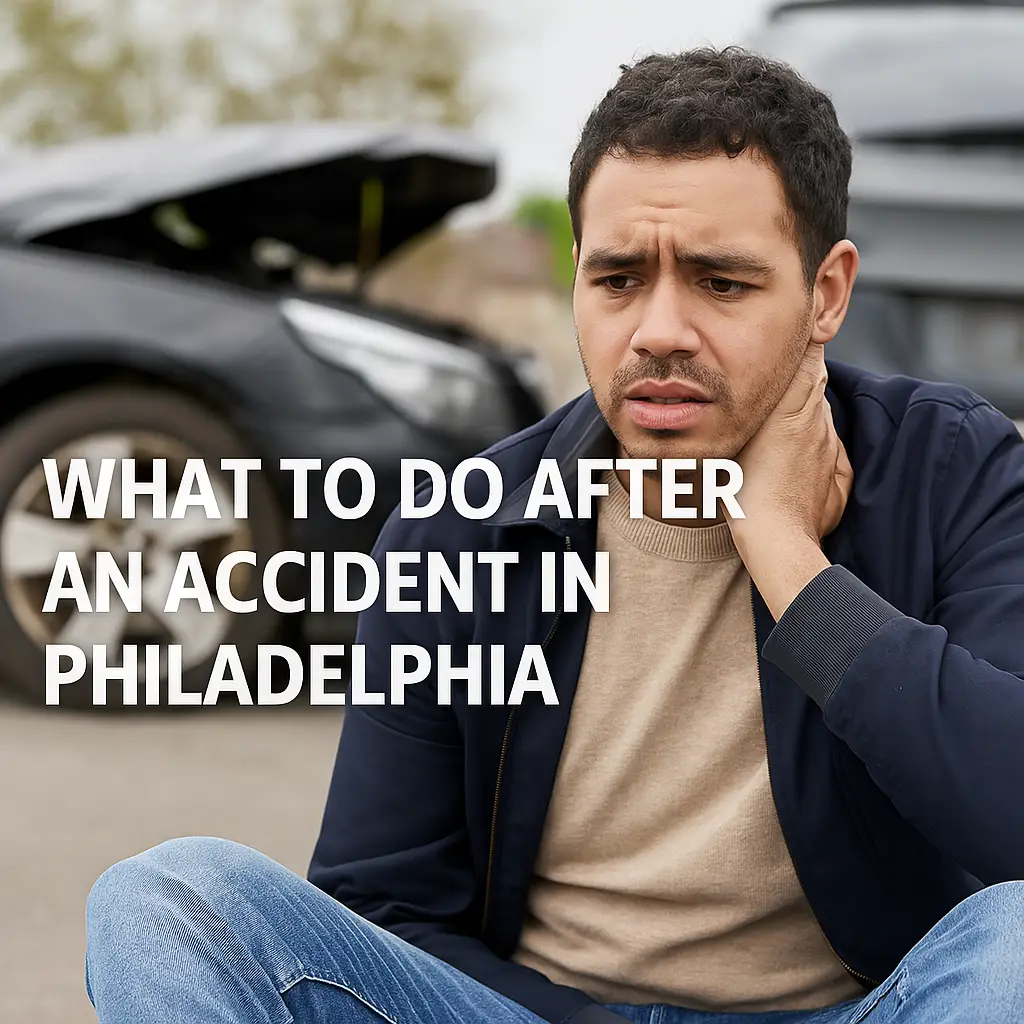
If you’re unsure what steps to take, use this checklist-style guide: What to Do After an Accident in Philadelphia. For documentation, this helps: 5 Essential Photos You Should Take After a Car Accident. And for timing and filing deadlines: How Long Do You Have to File a Personal Injury Lawsuit in Pennsylvania?
Wherever your incident happened, help is available.
Get Connected with The Oakes Firm
Your First Call for Injury Law — (215) 883-4412
Quick Answers
Rideshare crashes can involve app-status dependent insurance, multiple parties, and different documentation needs than a typical two-driver collision.
Often yes — but liability and coverage depend on the facts. Preserving evidence early and getting medical care are key first steps.
Pedestrian claims often turn on footage, witnesses, and proof of distraction/time-pressure. Document everything immediately.
They can. Some transit-related claims involve different procedures and deadlines. Don’t wait to gather documents and ask questions.
Photos, video, witness names, app screenshots, incident reports, and medical records — especially in high-traffic areas where evidence disappears quickly.
Many cases are subject to a two-year limit, but exceptions and special notice rules may apply depending on who is involved.