Part of the PhillyLegalConnect Quick Answer Series
Simple answers to common accident, insurance, and injury questions affecting Philadelphia, Pennsylvania, South Jersey, and the Jersey Shore.
Quick Answer
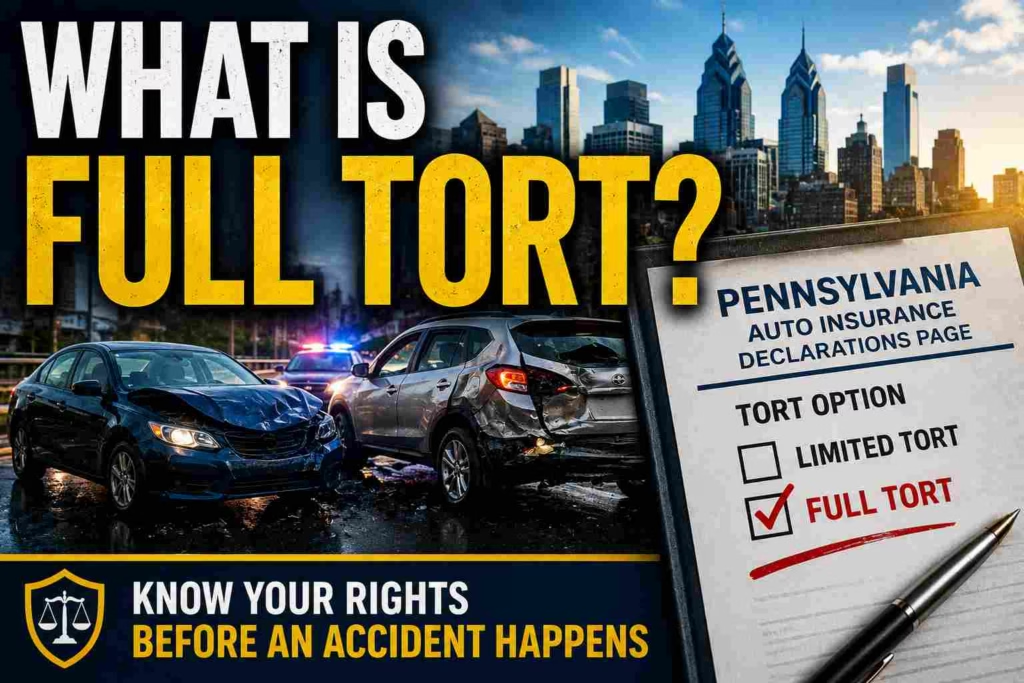
Full Tort in Pennsylvania generally preserves your right to seek compensation for pain and suffering and other legally recoverable damages if another driver’s negligence causes your injuries. Unlike Limited Tort, Full Tort does not impose the same general restrictions on recovering non-economic damages. Every accident is different, however, and your legal rights will always depend on the specific facts of your case.
Key Takeaways
- Full Tort generally preserves your legal rights after a Pennsylvania car accident.
- Drivers with Full Tort are generally not subject to the same pain and suffering restrictions that apply to Limited Tort.
- Full Tort usually costs more than Limited Tort, but many drivers choose it for the additional legal protection.
- Understanding the difference before an accident can help you make more informed insurance decisions.
Understanding Full Tort
When purchasing automobile insurance in Pennsylvania, drivers are generally asked to choose between Limited Tort and Full Tort coverage.
While both options provide important insurance protections, the primary difference concerns your ability to recover compensation for pain and suffering if another driver’s negligence causes your injuries.
Many drivers select Full Tort because it preserves broader legal rights if they are seriously or even moderately injured in an accident. Others choose Limited Tort because it typically costs less. Although Full Tort generally costs somewhat more than Limited Tort, many Pennsylvania drivers believe the additional legal protection is worth the increased premium.
Selecting the option that best fits your needs depends on your circumstances, budget, and comfort level with the trade-offs between premium costs and available legal protections.
Questions About Full Tort After a Car Accident?
Full Tort generally preserves an injured person’s ability to seek compensation for pain and suffering after a Pennsylvania car accident, subject to the facts of the claim and applicable insurance coverage.
For more information about car accident claims, insurance issues, and legal options, visit The Oakes Firm’s Philadelphia Car Accident Guide.
Related Pennsylvania Insurance Quick Answers
Learn more about Limited Tort, Full Tort, uninsured and underinsured motorist coverage, stacking, and other Pennsylvania automobile insurance questions.
More Accident & Insurance Information
These related PhillyLegalConnect articles address practical issues that may arise after a Pennsylvania automobile accident.
Explore More PhillyLegalConnect Resources
Explore broader PhillyLegalConnect guides covering accidents, insurance, injury claims, neighborhood safety, rideshare issues, and South Jersey and Jersey Shore injury topics.
What To Do Next
If you’re unsure whether you selected Full Tort or Limited Tort:
- Review your automobile insurance declarations page.
- Ask your insurance company to explain your current coverage.
- Compare the benefits and costs before renewing your policy.
- Learn how Pennsylvania’s insurance laws may affect your rights after an accident.
Review your coverage before your next policy renewal so you understand your options before an accident occurs.
About PhillyLegalConnect
PhillyLegalConnect was created to help individuals and families better understand accidents, insurance, injury claims, and safety issues affecting Philadelphia, South Jersey, and the Jersey Shore.
Our mission is to explain complicated legal and insurance topics in clear, practical language so readers can make informed decisions after an accident or injury.
About the Author
Thomas G. Oakes has more than four decades of experience working in and around Pennsylvania and New Jersey courtrooms. Throughout his career, he worked with attorneys, judges, and litigation teams, gaining firsthand insight into how accident and injury claims are investigated, documented, and presented.
Today, he serves as editor of PhillyLegalConnect, developing educational resources that help readers better understand accident, insurance, and personal injury topics.
Continue Learning
Explore more educational resources from PhillyLegalConnect:
Need Legal Guidance?
If you may need legal representation after an accident, learn more about The Oakes Firm.
Call (215) 883-4412
Connect With The Oakes Firm →Learn more about the purpose of this site on our About PhillyLegalConnect page.