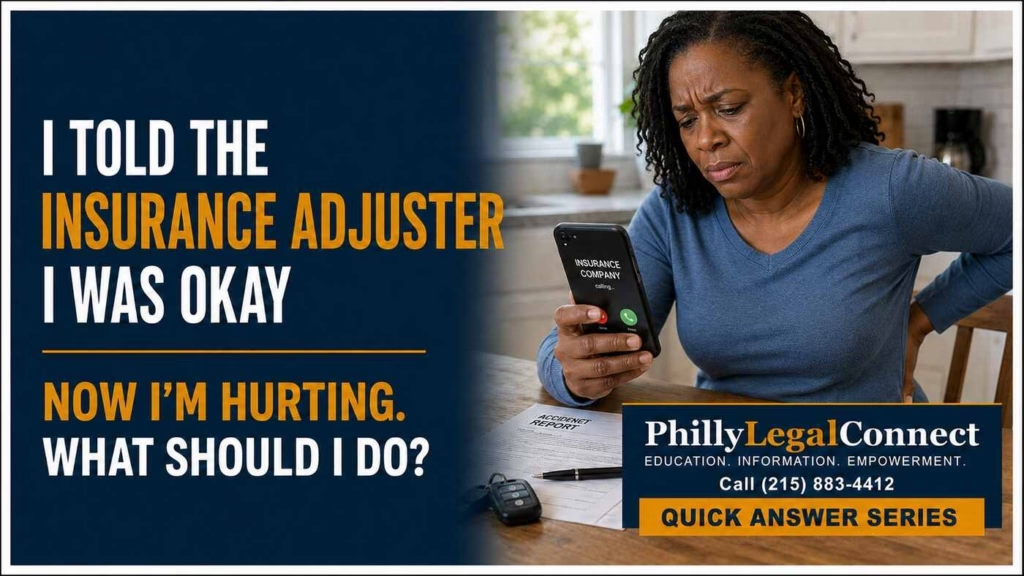
If you told an insurance adjuster you were okay but pain appeared later, seek appropriate medical care, document the change, and explain truthfully when your symptoms began.
Part of the PhillyLegalConnect Quick Answer Series
Simple answers to common accident, insurance, and injury questions affecting Philadelphia, Pennsylvania, South Jersey, and the Jersey Shore. This Quick Answer addresses what to do when you initially told an insurance adjuster you were okay but pain or other symptoms appeared later.
Quick Answer
Telling an insurance adjuster that you felt okay immediately after a car accident does not automatically prevent you from making an injury claim if pain or other symptoms develop later.
Some accident-related symptoms may not be apparent immediately. If you are now hurting, seek appropriate medical care and explain honestly when the symptoms began and how they have changed. Keep records of your symptoms, medical treatment, and communications with the insurance company.
An insurer may review your earlier statement when evaluating the claim, but the statement is only one part of the available information.
Key Takeaways
- Saying “I’m okay” does not automatically end an injury claim.
- Pain and other symptoms may appear or become more noticeable after an accident.
- Your health comes first. Seek appropriate medical care for new or worsening symptoms.
- Tell medical providers accurately when the symptoms began.
- Do not exaggerate, minimize, or guess about your condition.
- Preserve insurance communications and medical records.
- Do not sign a release before understanding your injuries and legal options.
What If I Told the Insurance Adjuster I Was Okay?
Possibly—but it does not necessarily decide the claim.
Immediately after an accident, people may feel shaken, confused, embarrassed, or relieved that the collision was not worse. Adrenaline and the stress of the moment may also affect how someone initially feels.
An adjuster may later compare your early statement with your reported symptoms and medical records. However, the timing of your symptoms, the medical evidence, the type of collision, and the consistency of the information you provide may also be considered.
The important step now is to be accurate about what happened:
“I did not feel this pain when we first spoke. The symptoms began later.”
Do not change your account of the accident or claim that symptoms existed earlier if they did not.
Can Car-Accident Symptoms Appear Later?
Yes. Certain symptoms may begin or become more noticeable during the hours or days after a collision. These may include neck or back pain, headaches, stiffness, dizziness, numbness, or difficulty concentrating.
According to the Mayo Clinic, whiplash symptoms often begin within days of the injury.
New or worsening symptoms should be discussed with an appropriate healthcare professional. Seek emergency assistance for severe or alarming symptoms. Medical decisions should be based on your health—not solely on an insurance claim.
What Should I Say If the Insurance Adjuster Contacts Me Again?
If the adjuster contacts you again, explain accurately that symptoms developed after the earlier conversation and that you are obtaining appropriate medical care. You do not need to diagnose yourself, estimate how long recovery will take, or guess about matters you do not yet know.
Before providing another recorded statement, signing medical authorizations, accepting a settlement, or signing a release, make sure you understand what the insurer is requesting and how it may affect the claim.
What To Do Next
If you told an adjuster you were okay but are now experiencing pain or other symptoms:
- Seek appropriate medical care.
- Describe your symptoms and their timing accurately.
- Follow the healthcare provider’s recommendations.
- Keep a written record of when symptoms began and how they affect you.
- Preserve medical records, bills, photographs, and insurance communications.
- Avoid social-media posts that could be misunderstood.
- Do not sign a release or accept a final settlement before understanding your condition and legal options.
Editor’s Note: This Quick Answer addresses the effect of an early “I’m okay” statement when symptoms appear later. Whether an injury claim exists depends on the accident, medical evidence, insurance coverage, prior statements, and other circumstances.
Speak Directly With The Oakes Firm
If pain or other symptoms appeared after you told an insurance adjuster you were okay, understanding how your earlier statement and medical evidence may be evaluated can help you decide what to do next.
The Oakes Firm — Philadelphia Injury Lawyers
Free car accident consultation. No fee unless there is a recovery.
Call (215) 883-4412
Get Connected With The Oakes Firm →
Related PhillyLegalConnect Quick Answers
- The Insurance Company Wants a Recorded Statement. Do I Have to Give One?
- My Neck Hurts After a Car Accident. Should I See a Doctor?
- Should I Accept the Insurance Company’s First Settlement Offer?
- Why Am I Getting Hospital Bills When the Accident Wasn’t My Fault?
Browse All PhillyLegalConnect Quick Answers →
Related PhillyLegalConnect Articles
- Philadelphia Injury Playbook
- Five Essential Photos You Should Take After a Car Accident
- Pennsylvania Auto Insurance Quick Answers
- Philadelphia Neighborhood Safety Guide
About PhillyLegalConnect
PhillyLegalConnect was created to help individuals and families better understand accidents, insurance, injury claims, and safety issues affecting Philadelphia, South Jersey, and the Jersey Shore.
Our mission is to explain complicated legal and insurance topics in clear, practical language so readers can make informed decisions after an accident or injury.
About the Author
Thomas G. Oakes has more than four decades of experience working in and around Pennsylvania and New Jersey courtrooms. Throughout his career, he worked with attorneys, judges, and litigation teams, gaining firsthand insight into how accident and injury claims are investigated, documented, and presented.
Today, he serves as editor of PhillyLegalConnect, developing educational resources that help readers better understand accident, insurance, and personal injury topics.
Continue Learning
Explore more educational resources from PhillyLegalConnect:
Need Legal Guidance?
If you may need legal representation after an accident, learn more about The Oakes Firm.
Call (215) 883-4412
Connect With The Oakes Firm →Learn more about the purpose of this site on our About PhillyLegalConnect page.