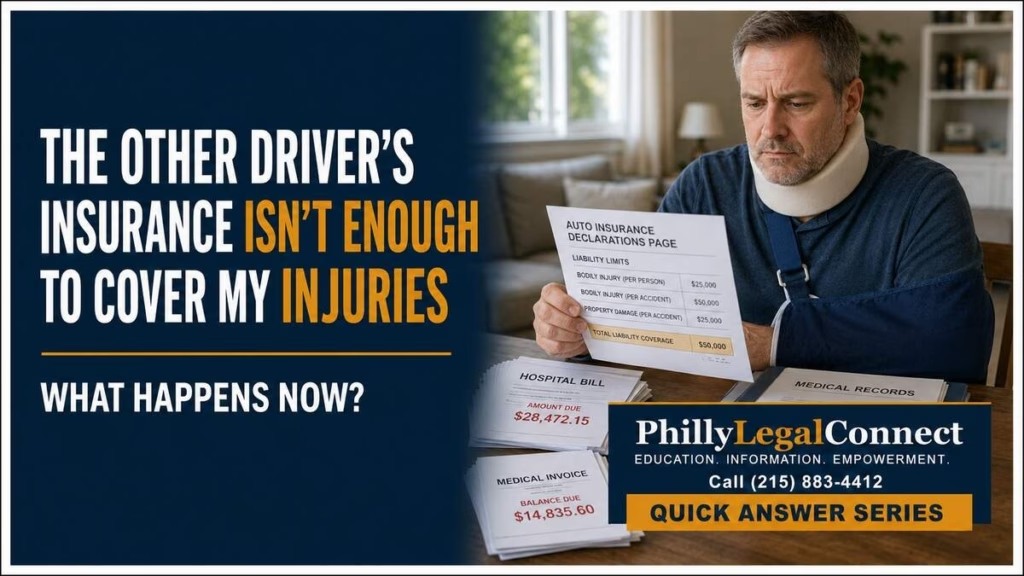
If the other driver’s insurance is insufficient, applicable UIM coverage may provide another source of compensation in Pennsylvania.
Part of the PhillyLegalConnect Quick Answer Series
Simple answers to common accident, insurance, and injury questions affecting Philadelphia, Pennsylvania, South Jersey, and the Jersey Shore. This Quick Answer addresses what may happen when another driver’s liability insurance is not enough to cover the injuries and losses caused by a Pennsylvania car accident.
Quick Answer
If the other driver’s liability-insurance limits are not enough to cover your injuries and losses, applicable underinsured motorist coverage may provide an additional source of compensation.
Underinsured motorist coverage, commonly called UIM coverage, may apply when an at-fault driver has insurance but the available liability limits are insufficient. UIM coverage is not automatic in Pennsylvania. Whether it exists and applies depends on the insurance policies, coverage selections and circumstances of the accident.
A low settlement offer does not necessarily mean the other driver has inadequate policy limits. Before concluding that the insurance is insufficient, determine the available liability limits and whether the insurer is offering those limits or disputing the value of the claim.
Key Takeaways
- Liability insurance has a maximum amount available under the policy.
- A low settlement offer is not necessarily a policy-limits offer.
- Applicable UIM coverage may provide additional protection.
- Pennsylvania policyholders may reject UIM coverage in writing.
- Review the declarations page and complete policy before assuming coverage exists.
- Understand possible additional coverage before signing a release.
What Happens When the Other Driver’s Insurance Isn’t Enough?
An automobile liability policy generally limits how much the insurer will pay for a covered accident.
For example, serious injuries may result in hospitalization, surgery, rehabilitation, lost income and continuing physical limitations. Those losses may exceed the responsible driver’s available bodily-injury liability limit.
That does not necessarily mean the insurer has acted improperly. It may mean that the driver purchased coverage with limits lower than the value of the injuries and losses.
It is also possible that the insurer simply disagrees about fault, medical evidence or the value of the claim. That is why the available policy limit and the amount being offered should not be treated as the same thing.
Could Underinsured Motorist Coverage Help?
Possibly.
Pennsylvania law describes UIM coverage as protection for people legally entitled to recover damages from owners or operators of underinsured vehicles. Pennsylvania policyholders may reject UIM coverage in writing, so it should not be assumed that the coverage exists. 75 Pa.C.S. § 1731
If applicable UIM coverage exists, it may provide another potential source of compensation when the at-fault driver’s liability limits are insufficient. Whether it applies depends on the policy language, coverage limits, who qualifies as an insured, and the facts of the accident.
For a broader explanation, read Uninsured vs. Underinsured Motorist Coverage in Pennsylvania.
How Do I Find Out Whether I Have UIM Coverage?
Start with the declarations page for the automobile policy. Look for a line identifying underinsured motorist or UIM bodily-injury coverage and its limits.
The declarations page is an important starting point, but the complete policy and any coverage-selection or rejection forms may also need to be reviewed.
Do not assume that UIM coverage exists merely because the policy includes other automobile coverage.
Should I Sign a Release?
Before signing a release or finalizing the liability claim, determine whether additional insurance may apply. An applicable automobile policy may contain notice, settlement, consent, or other requirements affecting a potential UIM claim.
Do not assume that accepting the other driver’s available limits automatically resolves every insurance question.
Read Should I Accept the Insurance Company’s First Settlement Offer After a Car Accident in Pennsylvania? for a focused explanation of settlement offers and releases.
What To Do Next
If the other driver’s insurance isn’t enough—or appears insufficient—take these steps:
- Continue obtaining appropriate medical care.
- Preserve medical bills, records, wage-loss information, and information about continuing limitations.
- Determine the other driver’s available bodily-injury liability limits.
- Determine whether the offer represents the available limit or a disputed claim valuation.
- Locate the declarations page and complete automobile policy.
- Look specifically for UIM coverage, its limits, and any applicable rejection or selection documents.
- Notify the appropriate insurer if a potential UIM claim may exist.
- Do not settle the liability claim or sign a release until you understand the available coverage and any policy requirements.
Editor’s Note: This Quick Answer addresses the immediate question of what may happen when another driver’s liability insurance appears insufficient. Questions involving UIM priority, policy exclusions, waivers, multiple policies, and stacking may require separate analysis.
Speak Directly With The Oakes Firm
Determining whether UIM coverage applies may require reviewing the accident, available liability limits, insurance policies, medical evidence and proposed settlement documents.
The Oakes Firm — Philadelphia Injury Lawyers
Free car accident consultation. No fee unless there is a recovery.
Call (215) 883-4412
Get Connected With The Oakes Firm →
Related PhillyLegalConnect Quick Answers
- Uninsured vs. Underinsured Motorist Coverage in Pennsylvania →
- What If the Other Driver Doesn’t Have Insurance? →
- What Does Stacking Auto Insurance Mean in Pennsylvania? →
- Should I Accept the Insurance Company’s First Settlement Offer? →
- Can I Recover Compensation If the Car Accident Was Partly My Fault? →
Browse All PhillyLegalConnect Quick Answers →
Related PhillyLegalConnect Articles
- Philadelphia Injury Playbook
- Pennsylvania Auto Insurance Quick Answers
- Philadelphia Neighborhood Safety Guide
About the Author — Thomas G. Oakes
Thomas G. Oakes is a Philadelphia-based legal professional with more than four decades of experience working in and around Pennsylvania and New Jersey courtrooms, including Philadelphia, South Jersey, and the Jersey Shore. He served as an official court reporter in the Philadelphia Court of Common Pleas and the United States District Court for the Eastern District of Pennsylvania, developing a firsthand understanding of how injury cases are investigated, documented, and presented.
Before retirement, he was the principal of Thomas G. Oakes Associates, a litigation-support and trial-technology company with offices in Philadelphia and Cherry Hill, New Jersey, supporting attorneys and trial teams throughout the region.
About PhillyLegalConnect
PhillyLegalConnect is a Philadelphia-based educational resource providing clear, practical information about accidents, insurance, injury claims, and safety issues affecting Philadelphia, South Jersey, and the Jersey Shore.
The PhillyLegalConnect Quick Answer Series is built around a simple format: one focused question, one focused answer. Readers can use each Quick Answer to understand a specific issue and then explore broader PhillyLegalConnect resources when they want to learn more.
PhillyLegalConnect is not a law firm and does not provide legal representation. When legal representation is needed, readers are connected directly with The Oakes Firm.
Learn More About Your Legal Options
The Oakes Firm
Five Generations of Philadelphians
Connect With The Oakes Firm →Prefer to call?
Free consultation. No fee unless there is a recovery.