
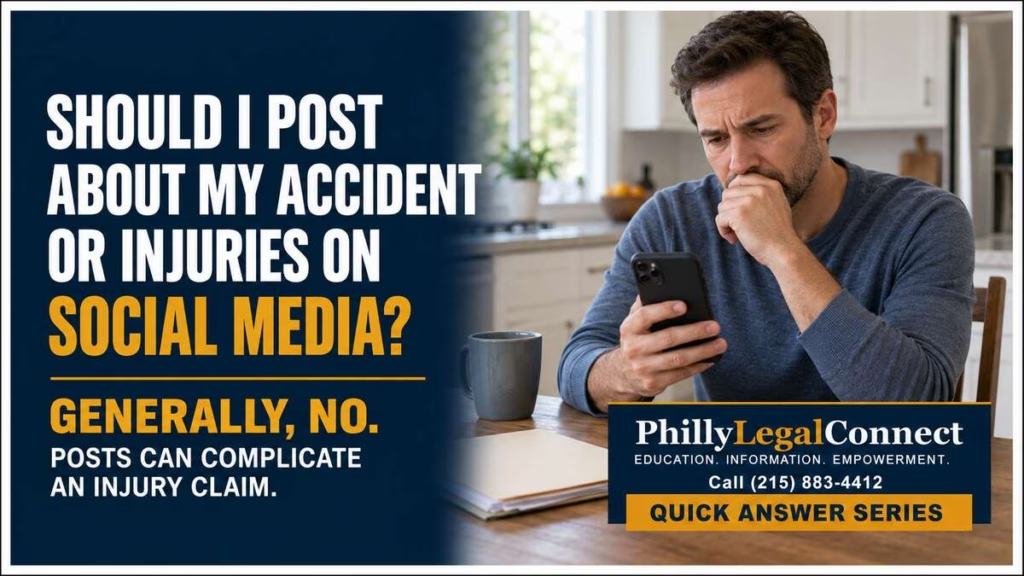
Posting on social media after an accident may create unnecessary complications for an injury claim. Posts about your injuries, treatment, recovery, or daily activities can be misunderstood or taken out of context.
Part of the PhillyLegalConnect Quick Answer Series
Simple answers to common accident, insurance, and injury questions affecting Philadelphia, Pennsylvania, South Jersey, and the Jersey Shore. This Quick Answer addresses whether you should post about an accident or your injuries on social media.
Quick Answer
Generally, no. Avoid posting about your accident, injuries, medical treatment, recovery, insurance claim, or related activities on social media.
An insurance company may review publicly available posts, photographs, videos, comments, and location information when evaluating an injury claim. Even an innocent post can be misunderstood or presented without context.
Changing your account to private may reduce public access, but it does not guarantee that your content will remain confidential. Friends, followers, or other people may copy, share, or take screenshots of posts.
If you already posted something, do not panic. Preserve the content and consider obtaining appropriate guidance before deleting or changing it.
Key Takeaways
- Avoid posting about your accident, injuries, treatment, or recovery.
- Photographs and comments unrelated to the accident may still be taken out of context.
- Privacy settings do not guarantee that social-media content will remain private.
- Ask friends and family not to post photographs of you or tag you without permission.
- Do not exaggerate your injuries online—or minimize them to reassure other people.
- Preserve existing posts and obtain guidance before deleting or changing content.
Why Can Social-Media Posts Affect an Injury Claim?
When you make an injury claim, the insurance company may compare your statements, medical records, activities, and other available information.
A post does not necessarily reveal the complete truth about someone’s condition. A person may smile for a photograph while still experiencing pain. Someone may attend a family event but need assistance, medication, or additional recovery time afterward.
Nevertheless, an insurer may point to the photograph without that context and question whether the person’s reported symptoms or limitations are accurate.
The safest approach is not to provide unnecessary material that could distract from the medical evidence and facts of the accident.
What Types of Posts Could Create Questions?
Potentially relevant content may include:
- Photographs or videos showing physical activity
- Comments about feeling “fine” or “better”
- Discussions about how the accident happened
- Statements blaming another person or accepting responsibility
- Posts about medical appointments or treatment
- Location check-ins, travel, work, exercise, or social events
- Comments made on someone else’s account
- Photographs or videos posted by friends or family
These concerns apply across social platforms, including Facebook, Instagram, TikTok, X, LinkedIn, YouTube, and private groups.Facebook, Instagram, TikTok, X, LinkedIn, YouTube, private groups, and other social platforms.
Is Making My Account Private Enough?
No privacy setting offers a complete guarantee.
Private settings may limit who can see your account, but people within your network can still share content. Social-media information may also become relevant if an insurance dispute later develops into litigation.
Review your privacy and tagging settings, but do not assume that “private” means the information can never be seen or requested.
What If I Already Posted About the Accident?
Do not assume that one post has destroyed your claim.
Save an accurate copy of what was posted, including the date and surrounding context. Do not replace it with a different account of what happened. Before deleting, editing, or concealing existing content, consider obtaining legal guidance because preservation obligations can depend on the circumstances.
What to Do Next
If you have an accident or injury claim:
- Stop posting about the accident, injuries, treatment, and recovery.
- Review your privacy and tagging settings.
- Ask friends and family not to post or tag you.
- Preserve posts and messages that already exist.
- Do not discuss settlement negotiations or legal advice online.
- Continue describing your condition accurately to your healthcare providers and in any required claim communications.
- Consider legal guidance before deleting or altering existing content.
Editor’s Note: This Quick Answer addresses whether someone with an accident or injury claim should post on social media. The relevance and treatment of particular posts depend on their content, timing, context, and the circumstances of the claim.
Questions About Social Media and an Injury Claim?
Social-media content can complicate how an insurance company evaluates an injury claim. If you have questions about existing posts, your injuries, or your legal options, learn more from The Oakes Firm.
The Oakes Firm — Philadelphia Injury Lawyers
Free consultation. No fee unless there is a recovery.
Call (215) 883-4412
Related PhillyLegalConnect Quick Answers
- The Insurance Company Says My Injury Was Pre-Existing. Can I Still Make a Claim?
- The Insurance Company Wants a Recorded Statement. Do I Have to Give One?
- The Other Driver’s Insurance Company Wants Me to Sign a Medical Release. Should I?
- I Told the Insurance Adjuster I Was Okay, but Now I’m Hurting. What Should I Do?
- Should I Accept the Insurance Company’s First Settlement Offer?
Browse All PhillyLegalConnect Quick Answers →
Learn More
About PhillyLegalConnect
PhillyLegalConnect was created to help individuals and families better understand accidents, insurance, injury claims, and safety issues affecting Philadelphia, South Jersey, and the Jersey Shore.
Our mission is to explain complicated legal and insurance topics in clear, practical language so readers can make informed decisions after an accident or injury.
About the Author
Thomas G. Oakes has more than four decades of experience working in and around Pennsylvania and New Jersey courtrooms. Throughout his career, he worked with attorneys, judges, and litigation teams, gaining firsthand insight into how accident and injury claims are investigated, documented, and presented.
Today, he serves as editor of PhillyLegalConnect, developing educational resources that help readers better understand accident, insurance, and personal injury topics.
Continue Learning
Explore more educational resources from PhillyLegalConnect:
Need Legal Guidance?
If you may need legal representation after an accident, learn more about The Oakes Firm.
Call (215) 883-4412
Connect With The Oakes Firm →Learn more about the purpose of this site on our About PhillyLegalConnect page.
