What injured Uber & Lyft riders and pedestrians should know
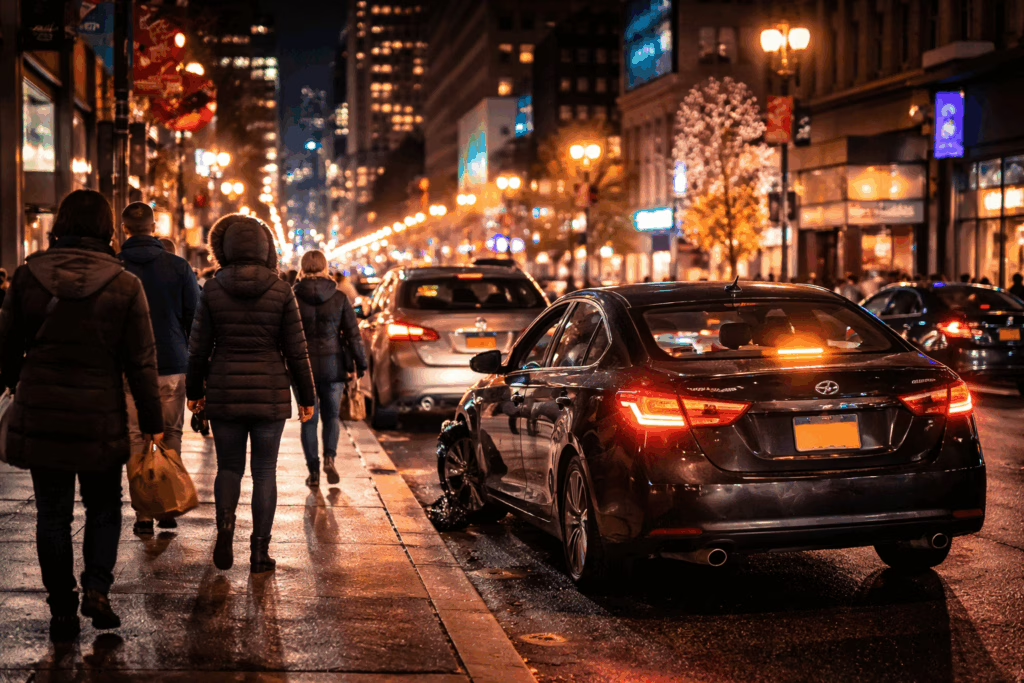
Center City Uber accidents increase sharply in the days leading up to New Year’s Eve, as rideshare demand spikes near restaurants, hotels, nightlife hubs, and event venues. A Center City Uber accident lawyer is often needed as pickup zones become crowded, pedestrian traffic surges, and drivers rush to complete rides during one of the busiest weeks of the year.
That holiday surge often leads to sudden stops, double-parking, rushed drop-offs, and distracted driving. These are exactly the conditions that cause rideshare-related crashes involving passengers, pedestrians, cyclists, and other drivers.
If you were injured in or around a rideshare vehicle during this season, understanding how rideshare coverage works before insurers start shifting blame can help protect both your health and your claim.
Center City Uber and Lyft accidents increase in the days leading up to New Year’s Eve because rideshare demand spikes near restaurants, hotels, and nightlife venues, creating crowded pickup zones, heavy pedestrian traffic, and higher risks from distracted and rushed drivers.
Key Takeaways
- Rideshare demand spikes in Center City before New Year’s Eve, increasing crash risk near pickup zones.
- Common causes include distracted driving, sudden stops, double-parking, and heavy pedestrian traffic.
- Uber/Lyft coverage can change based on the driver’s app status at the moment of the crash.
- Passengers and pedestrians may face delays while insurers dispute which policy applies.
- Early legal guidance can help protect evidence and reduce the risk of lowball offers or denials.
Why Center City Uber Accidents Increase Before New Year’s Eve
Rideshare traffic in Center City typically builds throughout late December and peaks in the days immediately before New Year’s Eve. Several predictable factors combine to increase the risk of crashes during this period.
First, more rideshare drivers are on the road, including many who are unfamiliar with Center City’s traffic patterns, one-way streets, and high-pedestrian corridors. Second, pickup and drop-off zones become congested outside busy blocks, hotels, restaurants, and nightlife hubs.
Drivers are often distracted by navigation apps, passenger messages, and last-second route changes. Many stop abruptly, double-park, block bike lanes, or pull into crosswalks to load or unload passengers. At the same time, pedestrian traffic increases, especially at night, with more mid-block crossings and crowded corners.
These conditions can lead to rear-end collisions, sideswipes, dooring incidents, and pedestrian knockdowns—particularly when traffic is tight and drivers are rushing to complete rides.
Related: Rideshare Accidents in Philadelphia
When a Rideshare Question Becomes a Legal Claim
PhillyLegalConnect is an educational resource. If your Uber or Lyft crash involves injuries, disputed insurance coverage, missing app data, a passenger claim, or a pedestrian injury, the next step may require direct legal guidance from The Oakes Firm.
- For legal representation, start with The Oakes Firm’s Philadelphia rideshare accident lawyer page.
- If app records, timestamps, speed, or route history matter, review their guide to GPS data in rideshare accidents.
- If an insurer says the full policy does not apply, read why the million-dollar rideshare policy is not automatic.
Insurance Coverage Issues in Center City Uber Accidents
Rideshare crashes are not handled like ordinary car accidents. Coverage often depends on the driver’s app status at the exact moment of impact. That single detail can determine which insurance policy applies and how much coverage is available.
Why the driver’s “app status” matters
Coverage is commonly analyzed differently depending on whether the driver:
- Had the app off (often treated like a personal driving situation)
- Had the app on but hadn’t accepted a ride (coverage may be limited)
- Had accepted a ride / had a passenger (higher commercial coverage may apply)
This structure frequently leads to disputes between insurers—particularly when a passenger is injured, a pedestrian is struck near a pickup or drop-off zone, multiple vehicles are involved, or the driver’s app status is unclear or contested.
Common insurance tactics after rideshare crashes
- Delay while “investigating” whether the driver was on-trip
- Dispute which policy applies (personal vs. rideshare)
- Minimize injuries by pushing quick settlements before full treatment is known
- Shift blame to pedestrians or other drivers, especially in crowded pickup areas
If you’re being asked to give a recorded statement or you’re being pressured to resolve the claim quickly, that’s usually a sign to slow down and get clarity before moving forward.
Not every crash requires a lawsuit, but rideshare cases can become complicated very quickly. Consider speaking with a lawyer if you were injured as a rideshare passenger, injured as a pedestrian near a pickup or drop-off zone, noticed that your injuries worsened days after the crash, or you’re dealing with multiple insurers disputing responsibility.
Legal guidance can also be helpful if you’re being pressured to give recorded statements, or if an insurer is pushing a quick settlement before you fully understand the extent of your injuries.
If you’d like clear guidance on next steps, you can get connected below.
Get Connected with The Oakes Firm
Your First Call for Injury Law — (215) 883-4412
Get Connected:
If you or someone you love was injured in a crash involving alcohol during the holiday season, it’s important to understand your options early.
Get Connected With The Oakes Firm
We’re with you every step of the way.
Get Connected Now
Prefer to call? (215) 883-4412
Explore the Philadelphia Uber & Lyft Accident Hub
This article is part of PhillyLegalConnect’s collection of educational resources about Uber, Lyft, rideshare, delivery-driver, and gig-economy accidents in Philadelphia.
Visit our complete
Uber & Lyft Accidents in Philadelphia Hub
to learn more about rideshare insurance, passenger injuries, driver claims, pedestrian accidents, airport pickups, delivery vehicles, and what to consider after a Philadelphia rideshare crash.
View the Complete Rideshare Accident Guide
Related PhillyLegalConnect Rideshare and Accident Guides
These PLC resources connect the rideshare issue to accident documentation, medical bills, filing deadlines, pedestrian injuries, and Philadelphia traffic conditions.
Rideshare and Gig-Economy Guides
Helpful Accident Support Guides
Frequently Asked Questions
What should I do if I’m injured in an Uber or Lyft crash?
Get medical care first. If possible, document the scene, report the incident through the rideshare app, and avoid giving a recorded statement until you understand what coverage applies and what your injuries may involve.
Does Uber or Lyft insurance automatically cover my injuries?
Not always. Coverage can depend on the driver’s app status (off / on / ride accepted / passenger in vehicle). Insurers may dispute which policy applies—especially in multi-vehicle or pedestrian cases.
What if I was hit as a pedestrian near a pickup zone?
Pedestrian crashes involving rideshare vehicles often involve layered coverage questions. It’s important to identify the driver’s app status and any other potentially applicable policies.
How long do I have to pursue a claim in Pennsylvania?
Pennsylvania has deadlines that can apply to injury claims. Even when time exists, rideshare evidence and app-status verification are best addressed early.
Related: Pedestrian Accident Guide
About the Author — Thomas G. Oakes
Thomas G. Oakes is a lifelong Philadelphian and the founder of PhillyLegalConnect.com and PhillyLegalNews.com. With more than 45 years of experience in the legal field, Tom served as an official court reporter in the Philadelphia courts and spent decades as a freelance reporter in both state and federal litigation.
He is a nationally recognized leader in courtroom technology, a certified TrialDirector trainer, and has taught lawyers, judges, and law students across the country — including at Temple University’s LL.M. in Trial Advocacy program and through major legal organizations such as the FDCC, IADC, and ABA. Tom has also lectured for the Delaware County Bar Association, the Gloucester County Bar Association in New Jersey, and presented for The Legal Intelligencer at Philadelphia’s Union League and other venues, speaking on trial technology, visual advocacy, and modern courtroom presentation.
Through PhillyLegalConnect and PhillyLegalNews, Tom blends his courtroom experience, technology expertise, and deep Philadelphia roots to help injured individuals and their families better understand the legal system — and connect with trusted trial lawyers when it matters most.
To read more about the author, visit the full biography here:
https://phillylegalnews.com/about-the-editor/
Disclaimer
PhillyLegalConnect is not a law firm and does not provide legal advice. The information on this website is for educational purposes only and does not create an attorney–client relationship. If you need legal advice about a personal injury matter, we can help connect you with qualified Philadelphia trial lawyers who can evaluate your case.