Christmas Night to New Year’s Eve: Why DUI Crashes Spike on Philly Roads
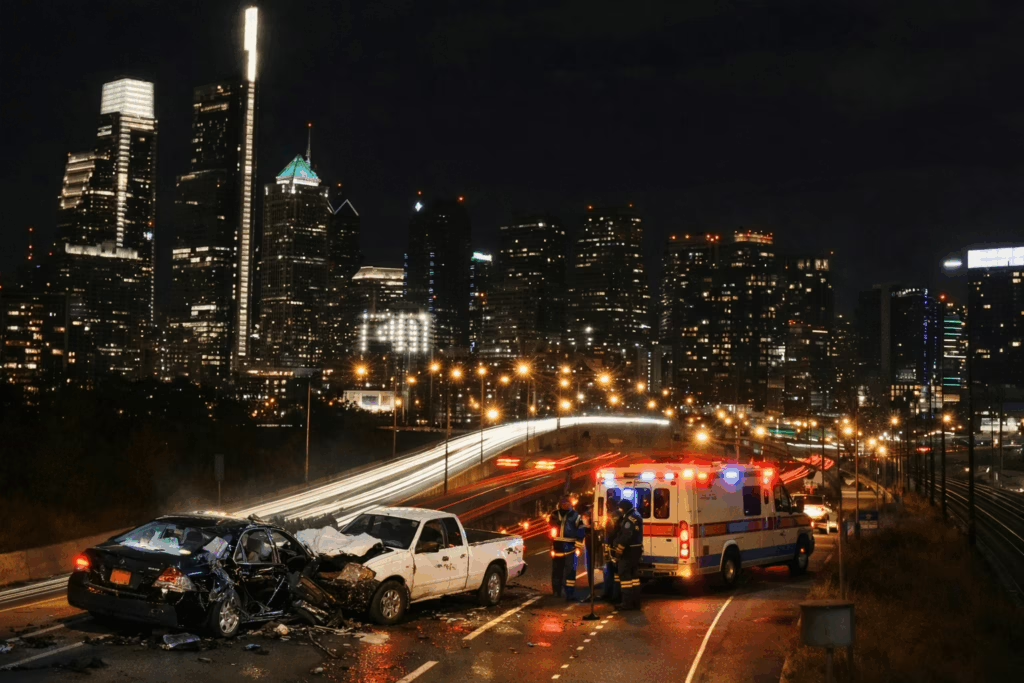
The days between Christmas night and New Year’s Eve are consistently among the most dangerous times to drive in Philadelphia. Holiday gatherings blend into late-night celebrations, routines get disrupted, and more drivers take to the roads after drinking — often believing they’re “fine to drive.”
Unfortunately, this short window every year sees a spike in DUI-related crashes across the city and surrounding suburbs. For injured drivers, passengers, and pedestrians, these crashes are different. Evidence matters early, insurance companies act fast, and what happens in the first few days can shape the entire claim.
— Thomas G. Oakes
Why DUI crashes increase after Christmas in Philadelphia
Several risk factors collide during the post-Christmas holiday stretch:
- Back-to-back social events (family parties, work gatherings, neighborhood celebrations)
- Late-night driving on major corridors like I-76, Roosevelt Boulevard, Broad Street, and City Avenue
- Winter conditions — rain, snow, ice, darkness — that magnify impairment
- Crowded bars and taprooms, where bartenders and servers are stretched thin
- Shorter daylight hours, reduced visibility, and slick road surfaces
In Philadelphia, this risk plays out in familiar ways:
a holiday party in the Northeast… a few drinks at a South Philly bar… a packed Center City taproom… or a suburban night out followed by a drive back into the city.
Alcohol lowers reaction time and judgment. Winter roads leave very little room for error.
What to do immediately after a suspected DUI crash
If you’re involved in a crash and believe alcohol may be involved, early steps matter — even if police are already on scene.
1. Protect Your Health First
- Seek medical care immediately, even if injuries seem minor
- Follow all instructions from emergency responders
2. Document What You Can
- Note signs of impairment (odor of alcohol, slurred speech, confusion, unsteady movement)
- Photograph:
- vehicle positions
- damage
- skid marks
- road conditions
- nearby businesses or intersections
- Identify witnesses and note where they were standing
3. Be Careful With Statements
- Do not argue fault or speculate at the scene
- Be cautious if insurance adjusters call quickly after the crash
In Philadelphia, this risk plays out in familiar ways: a holiday party in the Northeast, a few drinks at a South Philly bar, a packed Center City taproom, or a suburban night out followed by a drive back into the city. Alcohol lowers reaction time and judgment — and winter roads leave very little room for error.
Alcohol lowers reaction time and judgment. Winter roads leave very little room for error.
What to document in the first 24 hours
- Photos of all vehicles, damage, and road conditions
- Names and contact information for witnesses
- Police incident number and responding department
- Your symptoms and all medical visits
- Any signs of impairment you personally observed
How injury claims differ when alcohol is involved
When alcohol plays a role, injury claims often follow a different path:
- Liability may be clearer, but insurers still fight damages
- Police reports, breath tests, or blood tests can become central evidence
- Punitive damages may be available in certain cases
- Passengers injured in impaired-driving crashes may still have valid claims
In some situations, responsibility may extend beyond the driver — for example, when a business overserves someone who is clearly intoxicated. That’s why early documentation (receipts, video, witness names) can matter before it disappears.
Timing is critical. Surveillance footage can be erased, witnesses move on, and delays can weaken even strong claims.
Key Takeaways
- The days between Christmas and New Year’s see a consistent spike in DUI crashes in Philadelphia
- Winter weather and late-night driving make alcohol impairment far more dangerous
- Early documentation can significantly affect an injury claim
- DUI-related crashes often involve different evidence and legal strategies
Frequently Asked Questions
If the drunk driver was arrested, do I still need to act?
Yes. A criminal DUI case does not protect your civil injury claim or preserve evidence for you.
Can passengers injured in a DUI crash recover compensation?
Often yes — even if the driver was a friend, acquaintance, or rideshare operator.
What if alcohol is suspected but not proven at the scene?
Early investigation can uncover supporting evidence, including witnesses, video footage, and vehicle data.
Related Resources
Get Connected With The Oakes Firm
If you or someone you love was injured in a crash involving alcohol during the holiday season, it’s important to understand your options early.
Get Connected With The Oakes Firm
We’re with you every step of the way.
Get Connected NowPrefer to call? (215) 883-4412
👤 About the Author
Thomas G. Oakes is a lifelong Philadelphian and the founder of PhillyLegalConnect.com and PhillyLegalNews.com. With more than 45 years of experience in the legal field, Tom served as an official court reporter in the Philadelphia courts and spent decades as a freelance reporter in both state and federal litigation.
He is a nationally recognized leader in courtroom technology, a certified TrialDirector trainer, and has taught lawyers, judges, and law students across the country — including at Temple University’s LL.M. in Trial Advocacy program and through major legal organizations such as the FDCC, IADC, and ABA.
Through PhillyLegalConnect and PhillyLegalNews, Tom blends courtroom experience, technology expertise, and deep Philadelphia roots to help injured individuals and their families better understand the legal system — and connect with trusted trial lawyers when it matters most.
Read the full biography → (link to PLN About the Editor page)
⚠️ Disclaimer
PhillyLegalConnect is not a law firm and does not provide legal advice.
The information on this website is for educational purposes only and does not create an attorney–client relationship. If you need legal advice about a personal injury matter, we can help connect you with qualified Philadelphia trial lawyers who can evaluate your case.