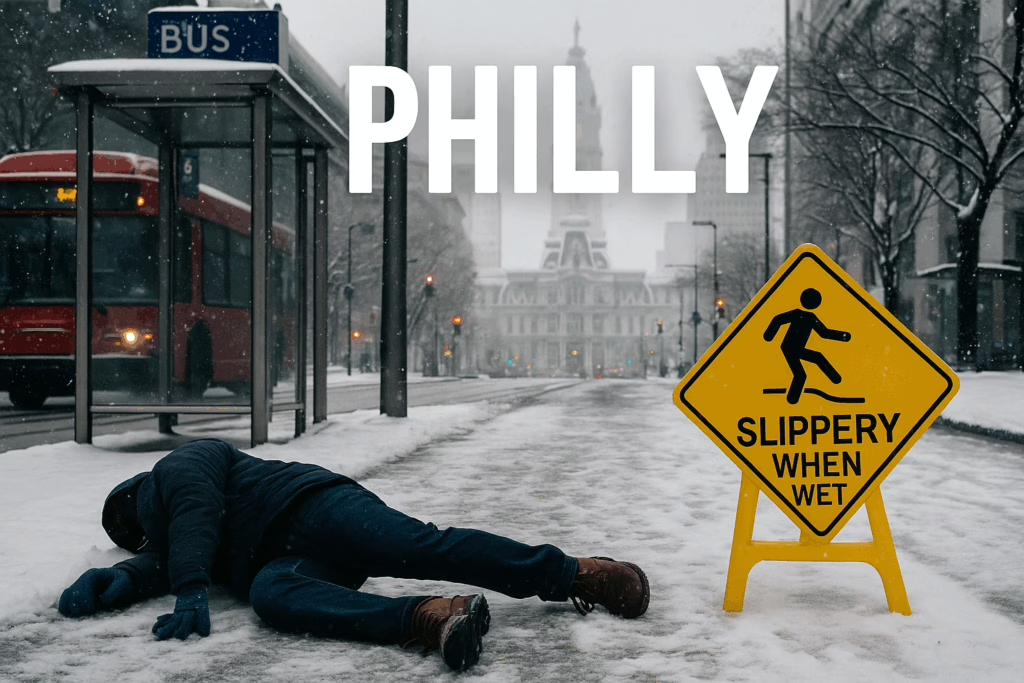
Snow, ice, uneven sidewalks, SEPTA station hazards, airport drop-off zones, and busy Center City sidewalks put Philadelphians at risk every winter. This hub pulls together your key slip-and-fall and winter hazard guides in one place so you can quickly find the information you need — and get connected with a trusted Philadelphia trial lawyer if you’ve been hurt.
Written by a lifelong Philadelphian with more than 45 years in the legal field.
Key Takeaways for Philadelphia Slip-and-Fall Victims
- Slip-and-fall cases in Philadelphia often involve winter hazards, unsafe sidewalks, transit stations, and busy shopping areas.
- Photos, witness names, and prompt medical care are some of the most important evidence you can collect.
- Pennsylvania generally gives you two years to file an injury lawsuit — but key proof can disappear much sooner.
- Different locations (sidewalks, SEPTA, airport, museums) may have different rules and timelines, so local legal guidance matters.
Featured Philadelphia Winter & Slip-and-Fall Guides
Start with these core guides if you were hurt in a fall anywhere in Philadelphia:
- Slip and Fall Accidents in Philadelphia: Your Rights & Legal Options
- Philadelphia’s Winter Hazards: Comprehensive Guide to Preventing and Addressing Slip-and-Fall Injuries
- Trip and Fall on a Sidewalk in Philadelphia
Neighborhood & Landmark Slip-and-Fall Guides
These blogs focus on specific Philadelphia locations where falls commonly happen:
- Holiday Shopping in Center City Philadelphia: Slip-and-Fall Safety Guide
- Philadelphia Art Museum Slip-and-Fall Injury Lawyer
- Sledding in South Philly at “Suicide Hill” Near the Old JFK Stadium: Winter Safety & Liability
Transit, Train Station & Airport Winter Hazards
Winter conditions around trains, buses, and airport rideshares create high-risk areas for falls and other injuries. These guides cover those locations in more detail:
- Slip-and-Fall at Philadelphia Train Stations: SEPTA & PATCO
- SEPTA Accident Claims: What Injured Riders Need to Know
- PHL Airport Winter Rideshare Accidents: Slip-and-Fall & Drop-Off Zone Dangers
- Rideshare, Delivery & Gig-Worker Accidents in Philadelphia (also part of our Gig-Economy & Transit Hub)
Common Philadelphia Slip-and-Fall Locations
- Center City sidewalks during snow and ice buildup and overnight refreeze
- South Philly rowhome blocks with slanted or broken concrete
- Grocery stores, Wawa entrances, and retail stores
- SEPTA platforms, stairwells, escalators, and concourses
- PHL Airport drop-off zones and rideshare areas
- Schoolyards, rec centers, and playground entrances
- Parking lots and garages with ice patches or oil slicks
- Apartment complexes and rental properties with neglected maintenance
Post-Fall Safety & Evidence Checklist
Use this quick checklist if you or a loved one was hurt in a fall in Philadelphia:
- Get medical care as soon as possible, even if pain seems mild at first.
- Take photos of the ice, snow, spill, broken step, or defect from several angles.
- Photograph your shoes and clothing from the day of the fall.
- Report the incident to the property owner, manager, store, or transit authority.
- Ask for an incident report number or written confirmation, if available.
- Collect witness names and contact information right away.
- Write down what happened while details are still fresh.
- Contact a Philadelphia injury attorney before speaking with insurance adjusters or giving a recorded statement.
Philadelphia Slip-and-Fall Laws You Should Know
In Pennsylvania, property owners have a duty to keep their premises reasonably safe for lawful visitors. In Philadelphia, that often means:
- Shoveling and salting sidewalks and walkways within a reasonable time after snowfall.
- Repairing broken, uneven, or crumbling sidewalks and steps.
- Maintaining safe stairways, handrails, and lighting inside and outside buildings.
- Cleaning up spills and wet floors in a reasonable time in stores and businesses.
- Keeping transit platforms, concourses, and entrances reasonably safe for commuters.
Negligence occurs when a property owner, business, or transit agency knows — or should have known — about a dangerous condition and fails to fix it or warn people about it.
Quick Answers (Snippet-Friendly FAQs)
How long do I have to sue for a slip-and-fall in Pennsylvania?
Most slip-and-fall injury claims in Pennsylvania must be filed within two years of the date of the accident.
What is the most important thing to do after a fall?
Get medical care, then document the hazard with photos and witnesses so critical evidence is not lost.
Can I bring a claim if I slipped on ice outside a business or train station?
Often yes, if the person or company responsible for that area failed to address snow, ice, or another hazard within a reasonable time.
Frequently Asked Questions
Who is responsible for clearing snow and ice in Philadelphia?
Responsibility depends on the location, but usually the property owner, tenant, or manager must remove snow and ice within a reasonable time. In some areas, such as transit or city-owned property, a public entity or contractor may be responsible.
What if I was partly at fault for my fall?
Pennsylvania follows a modified comparative negligence rule. You may still recover damages if you were less than 51% at fault, but your compensation can be reduced by your percentage of fault.
Do I really need a lawyer for a slip-and-fall case?
Insurance companies often dispute liability in slip-and-fall cases and argue that hazards were “open and obvious” or your fault. A lawyer can help preserve evidence, deal with insurers, and pursue full compensation for medical bills, lost wages, and pain and suffering.