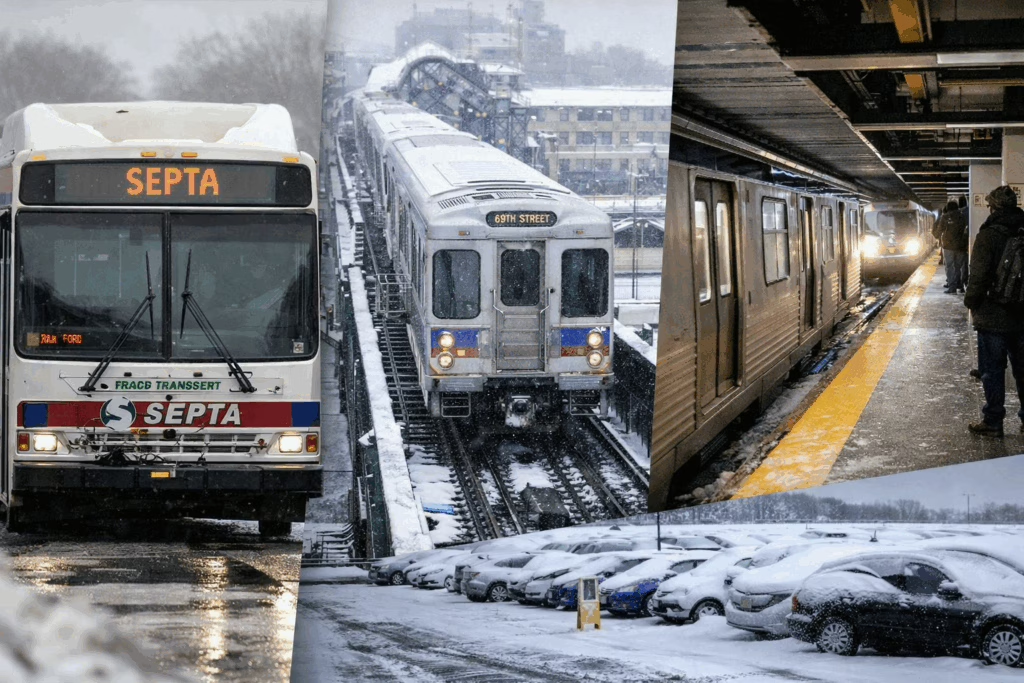
Winter in Philadelphia makes public transportation harder, slower, and more dangerous. Snow, sleet, ice, freezing rain, and early darkness affect SEPTA buses, trolleys, subways, and Regional Rail every year — and when winter weather collides with congestion and rush-hour pressure, injuries happen. SEPTA winter accidents in Philadelphia are a common occurrence during these harsh conditions.
For riders commuting through Philadelphia, surrounding PA counties, and South Jersey, winter transit isn’t just inconvenient — it can be hazardous. And even when riders do everything right, accidents still occur.
Key Takeaways
- Winter weather increases injuries on platforms, steps, bus stops, and inside vehicles (hard stops + crowding).
- Transfers and delays create rushing and congestion — especially in Center City and major connection points.
- I-76 / Schuylkill Expressway traffic can trigger sudden braking that injures seated and standing bus passengers.
- Outdoor platforms and exposed station entrances can ice quickly due to wind exposure and freezing conditions.
- PATCO entrances and underground corridors can become wet, slick, and overcrowded during winter commutes.
- If you’re hurt: report it, document conditions, get medical care, and preserve details right away.
Why Winter Weather Impacts SEPTA Safety in Philadelphia
Philadelphia winters don’t just affect side streets — they disrupt the entire transit network.
Snow, ice, and freezing rain reduce traction at bus stops, stairways, station entrances, and platform edges while lowering visibility for drivers and pedestrians. At the same time, service disruptions can pack more riders into tighter spaces.
During winter months, risks increase due to:
- Slippery boarding areas (bus steps, curb cuts, crosswalks, shelters, and stop pads)
- Reduced braking ability for buses and trolleys
- Crowded vehicles and platforms during peak commute hours
- Delays and missed connections that cause riders to rush transfers
Winter doesn’t slow the city — it makes everything more compressed, more hurried, and more hazardous.
Transfers and Center City: A Philly Reality
Growing up, SEPTA was how we got around. When I was 14, I worked summers at the Philadelphia Zoo out on Montgomery Avenue — and anyone from Philly knows getting there usually meant a transfer.
If you missed the connection, you weren’t late by a few minutes — you could be standing on a cold corner waiting 25–30 minutes for the next bus.
In winter, that pressure matters. Riders rush across icy streets, down slick steps, and between platforms trying not to miss their connection. Meanwhile, buses and trolleys are working to keep moving — even when conditions don’t cooperate. That combination is a recipe for accidents.
I-76 Expressway Bus Routes and Winter Traffic Dangers
Many SEPTA bus routes travel on or alongside I-76 (the Schuylkill Expressway), one of the most congested highways in the region. Anyone who has sat on I-76 during rush hour knows how quickly traffic can stop — even on a clear day. In winter, sudden braking becomes far more dangerous.
Winter expressway risks include:
- Abrupt slowdowns in heavy traffic
- Reduced braking on wet or icy pavement
- Buses carrying standing passengers forced to stop suddenly
- Multi-vehicle collisions involving buses, cars, and trucks
A hard stop on I-76 can throw riders forward, cause falls inside buses, or trigger serious injuries even without a full collision.
The El and Outdoor Platforms: Winter Freezes Fast
Outdoor platforms and exposed station areas create unique winter dangers. Wind exposure and freezing conditions can turn stairs, platforms, and landing areas into slip zones — especially when melting snow refreezes later in the day.
Common winter hazards include:
- Frozen platforms and stairways
- Slippery boarding surfaces
- Wind-driven ice accumulation
- Crowding during delays and peak commute times
PATCO and South Jersey Commuters in Winter
PATCO connects South Jersey commuters directly into Center City Philadelphia. While much of PATCO runs underground, winter still creates serious risks:
- Slippery station entrances at street level
- Moisture tracked into underground walkways
- Congested corridors used to avoid the weather
- Wet tile near stairways and platform edges
These corridors, meant to keep commuters out of the cold, can become slick and crowded during winter rush hours.
Common Injuries in Winter SEPTA and PATCO Incidents
On buses and trolleys
- Falls during sudden stops
- Injuries while boarding or exiting onto icy pavement
- Impact injuries from being thrown forward inside the vehicle
On subways, outdoor platforms, and exposed station areas
- Slips on platforms and stairways
- Falls in crowded boarding conditions
- Injuries near steps, escalators, or platform edges
In stations and walkways
- Slip-and-falls on wet floors
- Falls on icy steps
- Collisions in congested pedestrian corridors
Steps to Take After a SEPTA or Transit Injury
If you’re injured while using public transportation in winter:
- Get safe and stabilize first.
- Report the incident to SEPTA or station personnel and ask that it be documented.
- Photograph the conditions: ice, slush, wet floors, lighting, warning signs (or lack of them), and the exact location.
- Get witness names/contact info if possible.
- Get medical attention — head, neck, and back injuries can worsen after adrenaline fades.
- Preserve details: route/line, stop/station, time, weather conditions, and what you were doing (boarding/exiting/transferring).
Transit-related injury matters can involve unique requirements and timelines — acting promptly helps preserve the facts.
FAQs: Winter SEPTA and PATCO Injuries
Are SEPTA injuries treated differently than car accidents?
Often, yes. Incidents involving public transportation can involve different rules, deadlines, and procedures than typical car-crash claims.
Can I file a claim if I slipped on a SEPTA platform or station stairs?
Potentially, yes — especially where winter hazards like ice, slush, wet floors, poor lighting, or missing warnings contributed to unsafe conditions.
What if I was injured while transferring buses or trains?
Transfers are common injury points. Document the exact location, timing, conditions, and what happened as clearly as you can.
Are PATCO injuries handled differently than SEPTA injuries?
They can be. PATCO is a bi-state agency, which may affect procedures and timelines.
What if weather caused the accident?
Weather doesn’t automatically excuse unsafe conditions. Agencies still have duties to act reasonably to reduce known hazards.