Indoor & Outdoor Injury Risks You Need to Know
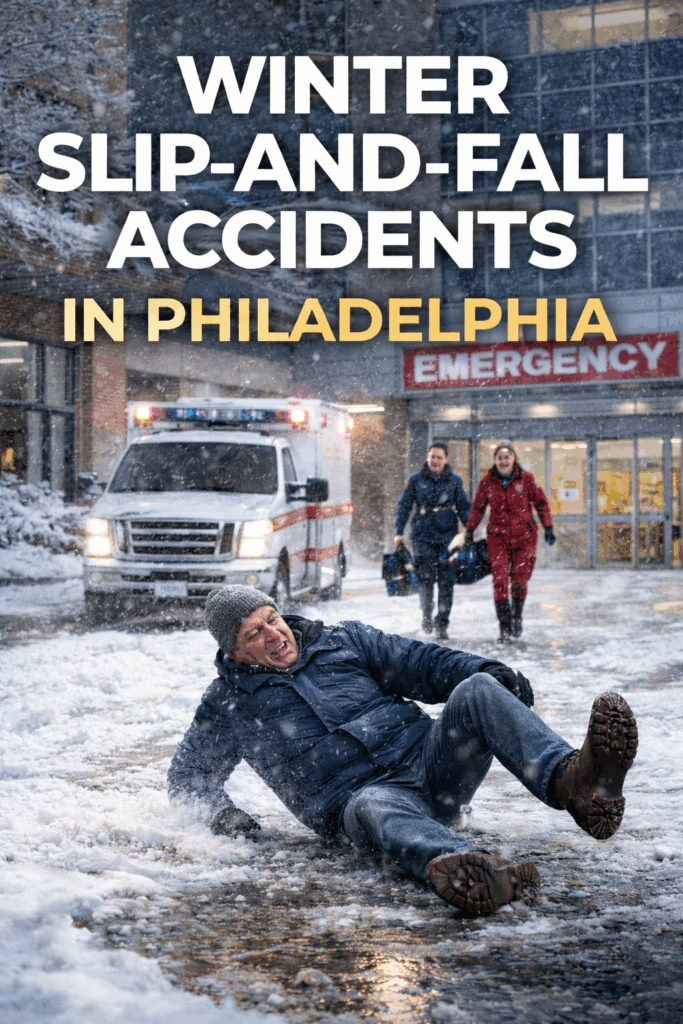
Winter slip-and-fall accidents in Philadelphia occur both outside and inside buildings. Snow, ice, and slush create predictable hazards on sidewalks, steps, parking lots, and entryways—but they are also tracked indoors, making hospital corridors, nursing homes, and apartment buildings dangerous. Many winter falls are preventable, and property owners and care facilities have a legal duty to address known seasonal risks.
🔑 Key Takeaways
- Winter falls happen indoors and outdoors, not just on sidewalks
- Hospitals and nursing homes face heightened safety obligations
- Snow and ice tracked indoors create foreseeable hazards
- Elderly individuals and patients face higher injury risk
- Many winter fall injuries are wrongly dismissed as “accidents”
Why Winter Falls Are So Common in Philadelphia
Philadelphia winters bring:
- Snow and freezing rain
- Fluctuating temperatures
- Slush accumulation
- Repeated freeze-thaw cycles
These conditions create predictable dangers, especially when property owners or facilities fail to adapt their safety practices during winter months.
Where Winter Slip-and-Fall Accidents in Philadelphia Happen Most Often
🧊 Outdoor Winter Fall Locations
- Icy sidewalks and crosswalks
- Apartment and condominium entrances
- Parking lots and garages
- Stairs, ramps, and loading areas
- Bus stops and transit platforms
🏥 Indoor Winter Fall Locations
- Hospital lobbies and corridors
- Nursing homes and long-term care facilities
- Medical offices and rehabilitation centers
- Apartment building hallways
- Retail and office building entryways
Snow and ice tracked indoors can be just as dangerous as untreated outdoor surfaces.
Indoor Winter Falls: Hospitals & Nursing Homes
Healthcare facilities see constant movement during winter:
- Patients transported on stretchers
- Residents using walkers or wheelchairs
- Visitors entering from snowy conditions
- Staff moving between buildings
Wet floors, missing mats, delayed cleanup, poor lighting, and understaffing can quickly turn these spaces into serious fall hazards—especially for elderly or medically fragile individuals.
👉 Related guide:
Slip-and-Fall Accidents in Philadelphia: Your Complete Guide to Winter, Sidewalk, and Transit Injuries
Outdoor Winter Falls: Sidewalks, Steps & Entryways
Property owners are generally responsible for:
- Timely snow and ice removal
- Treating slippery surfaces
- Maintaining safe walkways
- Addressing refreeze conditions
Failure to act reasonably after a storm can expose pedestrians, tenants, and visitors to serious harm.
👉 Related guide:
Slip and Fall Accidents in Philadelphia: Your Guide to Premises Liability
Transit & Travel Winter Fall Risks (Airports and Stations)
Winter slip-and-fall accidents in Philadelphia also happen in high-traffic transit areas—especially at Philadelphia International Airport (PHL) and around SEPTA and Amtrak stations. Snow and slush tracked through entrances can make floors slick, while platforms, steps, ramps, and curb areas may refreeze quickly during freeze-thaw cycles. If you’re injured in a winter fall near a station entrance, stairwell, platform edge, or airport drop-off zone, it’s important to document conditions and understand which entity may be responsible.
Related guides: Airport injury safety guide • SEPTA / train station winter hazards guide • Rideshare / gig-economy transit hub
Who Is Most at Risk of Serious Injury?
Winter slip-and-fall accidents in Philadelphia disproportionately injure:
- Older adults
- Nursing home residents
- Hospital patients
- Individuals with mobility limitations
- People recovering from surgery or illness
Common injuries include:
- Hip and wrist fractures
- Head and brain injuries
- Spinal injuries
- Internal bleeding
- Loss of independence
Why Winter Falls Are Often Overlooked
Many injured people assume:
- “Falls are unavoidable in winter”
- “Nothing can be done”
- “I must have been at fault”
But winter hazards are foreseeable, and safety failures often occur after storms, not during them.
The Hidden Costs of Winter Fall Injuries
Beyond immediate medical care, winter falls can lead to:
- Ongoing rehabilitation
- Home modifications
- Loss of mobility
- Long-term caregiving needs
- Emotional and financial strain on families
👉 Related resource:
The Hidden Costs of a Personal Injury: What Victims in Philadelphia Need to Know
What to Do After Winter Slip-and-Fall Accidents in Philadelphia
If you or a loved one is injured during winter conditions
- Seek medical evaluation immediately
- Report the incident to the property owner or facility
- Document conditions if possible
- Preserve medical records and discharge notes
- Avoid assuming the fall was “just an accident”
🟢 Get Connected with The Oakes Firm
After winter slip-and-fall accidents in Philadelphia—whether indoors or outdoors—you deserve clear answers about your rights and options.
❓ Frequently Asked Questions
Are property owners responsible for winter slip-and-fall accidents ?
Often, yes. Responsibility depends on location, timing, and whether reasonable safety steps were taken.
Do hospitals and nursing homes have special duties in winter?
Yes. Healthcare facilities must anticipate winter hazards and protect patients and residents from preventable risks.
Are indoor winter falls treated differently than outdoor falls?
They can be. Indoor falls often involve premises liability or negligence tied to maintenance and staffing.
Are winter falls always unavoidable?
No. Many winter falls are preventable with reasonable planning and timely action.