Quick Answer
Rittenhouse Square is one of the busiest areas in Center City Philadelphia, especially during the summer. Increased pedestrian traffic, outdoor dining, rideshare activity, and congestion along Walnut, Locust, and surrounding streets create higher risks for car, bike, and pedestrian accidents. Understanding these patterns can help residents and visitors stay safer and know what to do if an accident occurs.
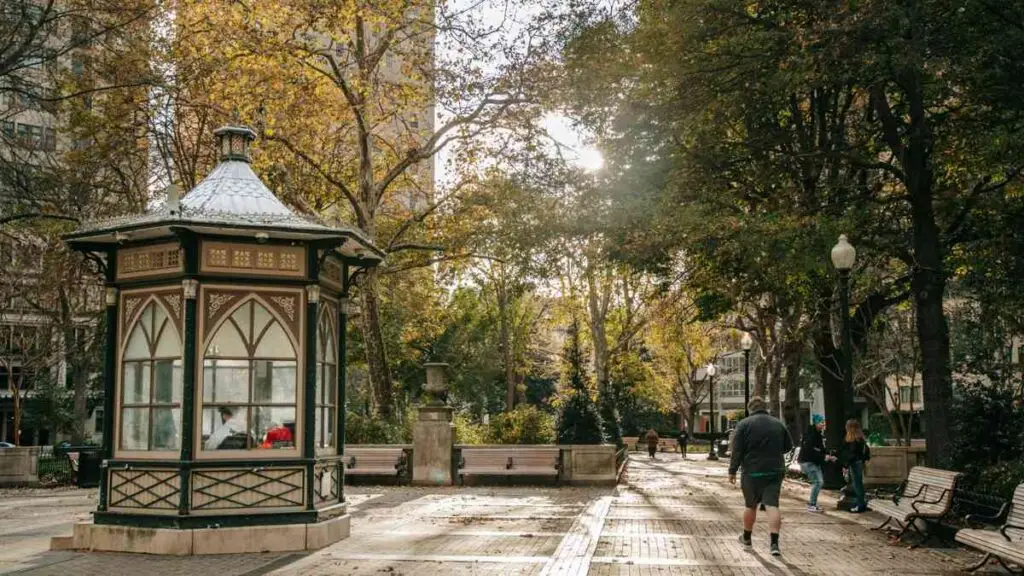
In the heart of Center City Philadelphia, Rittenhouse Square comes alive during the summer. Families picnic on the lawn, friends gather at sidewalk cafés like Parc, and weekend markets bring constant activity. But with this seasonal surge in foot traffic and congestion comes a hidden risk—an increase in pedestrian, bicycle, and vehicle accidents.
Whether you are a resident, visitor, or delivery driver, navigating the streets around Walnut, Locust, and the park requires awareness. A single moment of distraction in this environment can lead to serious injury.
For a broader look at how accident risks vary across the city, see our Philadelphia Neighborhood Safety Guide.
Where Congestion Meets Risk: Pedestrian Dangers Around the Park
Pedestrians are especially vulnerable in the Square, where cars, delivery trucks, and bicycles converge. Crosswalks at intersections like 18th & Walnut or Locust & 19th often become high-risk zones due to:
-
- Poor visibility from parked vehicles
-
- Speeding vehicles trying to beat lights
-
- Drivers turning without yielding to pedestrians
In Pennsylvania, drivers are legally required to yield to pedestrians in marked crosswalks—yet violations are common.
Pedestrians injured in busy areas like Rittenhouse Square should consider speaking with an experienced Philadelphia pedestrian accident lawyer to understand their rights and options.
Key Takeaways
-
High foot traffic increases risk: Rittenhouse Square sees heavy pedestrian activity, especially in warmer months
-
Congestion creates hazards: Outdoor dining, rideshare pickups, and delivery vehicles crowd narrow streets
-
Cyclists face exposure: Bike lanes are often unprotected and shared with pedestrians and vehicles
-
Intersections are danger points: Crosswalks near Walnut, Locust, and 18th Street are high-risk zones
-
Summer conditions amplify risk: Tourism, events, and longer days increase accident frequency
The Summer Surge: Tourists, Traffic, and Congestion
Summertime in Rittenhouse Square brings a sharp increase in activity. Outdoor dining expands onto sidewalks, public events draw crowds, and tourists unfamiliar with Philadelphia’s traffic patterns move through the area.
Restaurants such as Parc, Rouge, Barclay Prime, and The Love create a vibrant atmosphere—but also narrow walkways and push pedestrian traffic closer to streets and bike lanes.
At the same time, drivers and visitors may:
-
Jaywalk near park entrances
-
Block bike lanes
-
Double-park for quick stops
These everyday behaviors combine with congestion to increase accident risk.
Rittenhouse Square pedestrian and bike accidents are more common during the summer months
Rittenhouse Square Pedestrian Accident Risks
Pedestrians are especially vulnerable where multiple forms of traffic intersect.
High-risk intersections include:
-
18th & Walnut
-
Locust & 19th
-
Areas surrounding park entrances
Common causes of pedestrian accidents include:
-
Limited visibility due to parked or double-parked vehicles
-
Drivers turning without yielding
-
Distracted walking and phone use
Under Pennsylvania law, drivers must yield to pedestrians in crosswalks—but violations remain common in busy urban areas.
Cyclist and Bike Lane Risks
Cyclists frequently travel through Rittenhouse Square using nearby routes such as Spruce Street, Pine Street, and 22nd Street.
However, these routes often feature:
-
Unprotected bike lanes
-
Pedestrians stepping into lanes
-
Vehicles stopping or turning unexpectedly
Common bicycle accidents include:
-
Dooring incidents
-
Side-swipes from vehicles
-
Rear-end collisions
Rittenhouse Square pedestrian and bike accidents are more common during the summer months
Vehicle and Motorcycle Hazards
Drivers and motorcyclists face their own risks in this environment.
Congestion often leads to:
-
Sudden stops
-
Aggressive lane changes
-
Limited visibility at intersections
Motorcycles are especially vulnerable due to their smaller profile and reduced visibility in heavy traffic.
Rideshare, Delivery Traffic, and Congestion
Rittenhouse Square is a high-demand zone for rideshare pickups and deliveries.
This creates:
-
Frequent stopping and starting
-
Double-parking
-
Unexpected lane changes
These patterns increase the risk of accidents involving:
-
Pedestrians
-
Cyclists
-
Other vehicles
Accident Risks in a High-Density Residential Area
The area surrounding Rittenhouse Square includes high-end residences such as The Dorchester, The Laurel, and The Rittenhouse Hotel.
Valet services, deliveries, and constant traffic flow turn residential streets into active traffic zones—especially along Walnut and 18th Streets.
What To Do After an Accident in Rittenhouse Square
If you are involved in an accident:
1. Call 911
Ensure emergency response and create a police report
2. Document the scene
Take photos, gather contact information, and record details
3. Seek medical attention immediately
Even minor injuries should be evaluated
4. Understand your legal options
Early guidance can help protect your rights
For step-by-step guidance, visit our Philadelphia Injury Playbook.
Safety Tips for Navigating Rittenhouse Square
For Pedestrians
-
Use marked crosswalks
-
Stay alert and avoid distractions
-
Make eye contact with drivers
For Cyclists
-
Wear a helmet
-
Use lights and signals
-
Ride defensively
For Drivers
-
Avoid distractions
-
Yield to pedestrians and cyclists
-
Maintain safe passing distance
Why Summer Is the Highest Risk Season
Summer months bring:
-
Increased tourism
-
Outdoor events
-
Higher alcohol consumption
-
Longer daylight hours
These factors combine to increase accident frequency in Center City neighborhoods like Rittenhouse Square.
How Rittenhouse Fits Into Philadelphia’s Overall Safety Patterns
Rittenhouse Square reflects a broader pattern seen across Center City—dense pedestrian traffic combined with vehicle congestion.
For a citywide breakdown of neighborhood risks, visit our Philadelphia Neighborhood Safety Guide.
Injured in Center City Philadelphia?
If you are injured in or around Rittenhouse Square, understanding your rights early can make a difference.
Frequently Asked Questions
Where is Rittenhouse Square located?
Rittenhouse Square is located in Center City Philadelphia, bordered by Walnut, Locust, 18th, and 19th Streets.
Why do accidents happen frequently in this area?
High pedestrian traffic, congestion, and mixed transportation use increase the likelihood of accidents.
Are pedestrians at higher risk here?
Yes. The volume of foot traffic and turning vehicles creates elevated risk.
Are cyclists at risk in Center City?
Yes. Unprotected bike lanes and shared roadways increase exposure.
What should I do after an accident?
Seek medical care, document the scene, and understand your legal options as soon as possible.