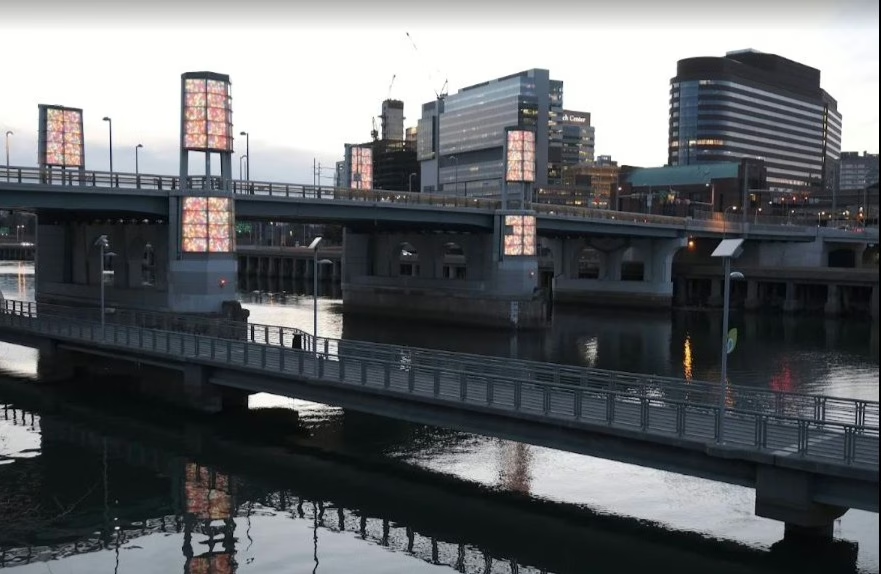
Grays Ferry in Philadelphia presents real injury risks due to narrow streets, heavy commuter traffic, and aging infrastructure. The most common accidents include car crashes along Grays Ferry Avenue, pedestrian injuries near the South Street Bridge and Naval Square, bicycle accidents, and slip-and-fall hazards on older sidewalks. If you are injured in Grays Ferry, getting medical care, documenting the scene, and understanding your legal options are critical first steps.
This guide focuses on Grays Ferry personal injury safety and the most common accident risks in the neighborhood.
SECTION: KEY TAKEAWAYS
- Grays Ferry has high-risk traffic corridors including Grays Ferry Avenue, Vare Avenue, and the South Street Bridge
- Pedestrian and bicycle accidents are increasing due to congestion and mixed-use streets
- Older sidewalks and construction zones create trip hazards throughout the neighborhood
- The “Triangle” is a known congestion and accident point
- Quick action after an injury can protect your health and your legal rights
My daughter, son-in-law, and grandchildren live near 24th and Catharine Streets, just steps from Naval Square. We spend time walking through the neighborhood, heading toward the river, grabbing ice cream at Igloo, or stopping at Grace Tavern. What stands out to me is how quickly things change block to block — quiet residential streets can suddenly give way to heavy traffic, tight intersections, and limited visibility. That’s exactly why understanding safety risks in Grays Ferry matters.
If your injury involved a vehicle, rideshare, or pedestrian incident, it is important to understand how these cases are handled in Philadelphia. Different types of accidents involve different legal considerations, insurance issues, and liability questions that can affect your recovery.
To better understand your options, you can review how these cases are evaluated by visiting:
- Philadelphia Car Accident Lawyers
- Philadelphia Rideshare Accident Lawyers (Uber & Lyft)
- Philadelphia Pedestrian Accident Lawyers
Each of these resources explains how injury claims are investigated, what evidence matters, and what steps may be available depending on the type of accident involved.
TRAFFIC & ACCIDENT RISKS
Traffic Risks and Grays Ferry Personal Injury Safety
Grays Ferry sits in a high-pressure traffic zone connecting University City, Center City, and South Philadelphia. This creates constant congestion, especially during rush hours and hospital shift changes.
High-risk roads include:
- Grays Ferry Avenue
- Vare Avenue (I-76 access)
- South Street Bridge
- The Triangle (23rd + South + Grays Ferry Ave)
These areas see:
- Rear-end collisions
- Sudden stops and aggressive merging
- Rideshare congestion (Uber and Lyft traffic)
- Delivery vehicle accidents
PEDESTRIAN RISKS
Pedestrian & Sidewalk Hazards
Sidewalk conditions vary significantly across Grays Ferry.
Common dangers include:
- Uneven or cracked pavement
- Poor nighttime lighting
- Snow and ice accumulation in winter
- Construction debris
High-risk areas include:
- 24th & Catharine
- St. Albans Street
-
Streets around Naval Square
BICYCLE RISKS
Bicycle Accidents in Grays Ferry
Cycling has increased due to proximity to the Schuylkill River Trail and South Street Bridge.
However, risks include:
- Vehicles cutting across bike lanes
- Narrow streets limiting visibility
-
Conflicts at bridge entry and exit points
Grays Ferry & Local Character
Grays Ferry has its place in Philadelphia’s cultural history. The The Sixth Sense was partially filmed on St. Albans Street, where the home of Cole Sear — the boy who famously said “I see dead people” — still draws visitors today.
While this adds to the neighborhood’s character, it also highlights a practical issue: many of these older blocks were not designed for increased foot traffic. Narrow sidewalks, aging steps, and uneven pavement can create real safety risks for pedestrians.
GRAYS FERRY LAYOUT
Understanding the Grays Ferry Layout
Grays Ferry sits in a unique position within Philadelphia:
- North leads toward the Art Museum area and Fairmount
- West crosses into University City
- South connects to Point Breeze and South Philadelphia
- East moves toward Center City and Logan Square
Key areas within Grays Ferry include:
- The Triangle (Grays Ferry Ave, 23rd St, and South St) — a known congestion point
- Devil’s Pocket — a historic residential enclave
- Naval Square — a redeveloped historic complex with increased foot traffic
- St. Gabriel’s Parish — a long-standing neighborhood anchor
- Schuylkill River Trail access points — heavy pedestrian and bike activity
These areas reflect the mix of residential, commuter, and recreational use that contributes to accident risk.
TRANSIT HAZARDS
Transit & SEPTA-Related Risks
Grays Ferry is served by SEPTA bus routes and sits near major transit corridors.
Accidents can occur when:
- Vehicles make sudden stops near bus routes
- Pedestrians cross near active transit stops
- Drivers misjudge turns around buses or narrow streets
These mixed traffic patterns increase the likelihood of both vehicle and pedestrian-related incidents.
WHY CHOOSE A LOCAL LAWYER
Why Local Knowledge Matters After an Injury
Grays Ferry is not just another Philadelphia neighborhood — it has specific traffic patterns, street layouts, and infrastructure challenges that affect how accidents happen.
Understanding these local conditions can be important when evaluating:
- Traffic flow and congestion points
- Sidewalk and property conditions
- Transit-related risks
- Driver behavior in high-density areas
WHAT TO DO AFTER AN INJURY
What to Do After an Accident in Grays Ferry
If you’ve been injured — whether walking near Naval Square, crossing the South Street Bridge, or driving along Vare Avenue — taking the right steps early can make a difference:
- Seek medical attention immediately. Nearby hospitals include Penn Medicine and CHOP
- Document the scene, including road conditions, sidewalks, or vehicles
- Gather witness information when possible
- Report the incident if necessary
- Understand your legal options before speaking in detail with insurance companies
Understanding Grays Ferry personal injury safety can make a difference in how you respond after an accident.
Get Help After an Accident in Grays Ferry
If you’ve been injured in Grays Ferry, understanding your rights is critical.
Depending on your situation, you may need help with:
- Car accidents
- Rideshare (Uber/Lyft) accidents
- Slip and fall injuries
- Pedestrian accidents
👉 The Oakes Firm — experienced Philadelphia Injury Lawyers
If you’ve been injured in Grays Ferry, don’t wait to understand your rights.
Related Philadelphia Safety Guides
For more neighborhood and citywide accident information, you can also visit:
Frequently Asked Questions About Grays Ferry Safety and Injury Claims
What kinds of accidents happen most often in Grays Ferry?
The most common incidents in Grays Ferry include car accidents, rideshare crashes, pedestrian injuries, bicycle accidents, and slip-and-fall claims involving sidewalks, steps, and poorly maintained walking surfaces.
Where are some of the higher-risk areas in Grays Ferry?
Higher-risk spots include Grays Ferry Avenue, the South Street Bridge approaches, Vare Avenue, and the area around the Triangle where traffic patterns, merging, and visibility can become difficult.
What should I do after an accident in Grays Ferry?
Get medical attention first, then photograph the scene, gather witness information, and preserve anything that shows the condition of the roadway, sidewalk, vehicle, or surrounding area. It is also smart to understand your legal options before speaking in detail with an insurance adjuster.
Are sidewalk and trip-and-fall claims common in Grays Ferry?
They can be. Older sidewalks, changing elevations, cracked pavement, poor lighting, and winter conditions can all contribute to falls in residential and mixed-use sections of the neighborhood.
Do Uber and Lyft accidents happen in this area?
Yes. Because Grays Ferry connects South Philadelphia, University City, and Center City, there is steady rideshare and delivery traffic, especially near major corridors and bridge access points.
Can a neighborhood safety page help me understand my rights after an injury?
Yes. A page like this is designed to help you recognize local risks, understand common accident patterns, and know what practical steps to take after an injury.