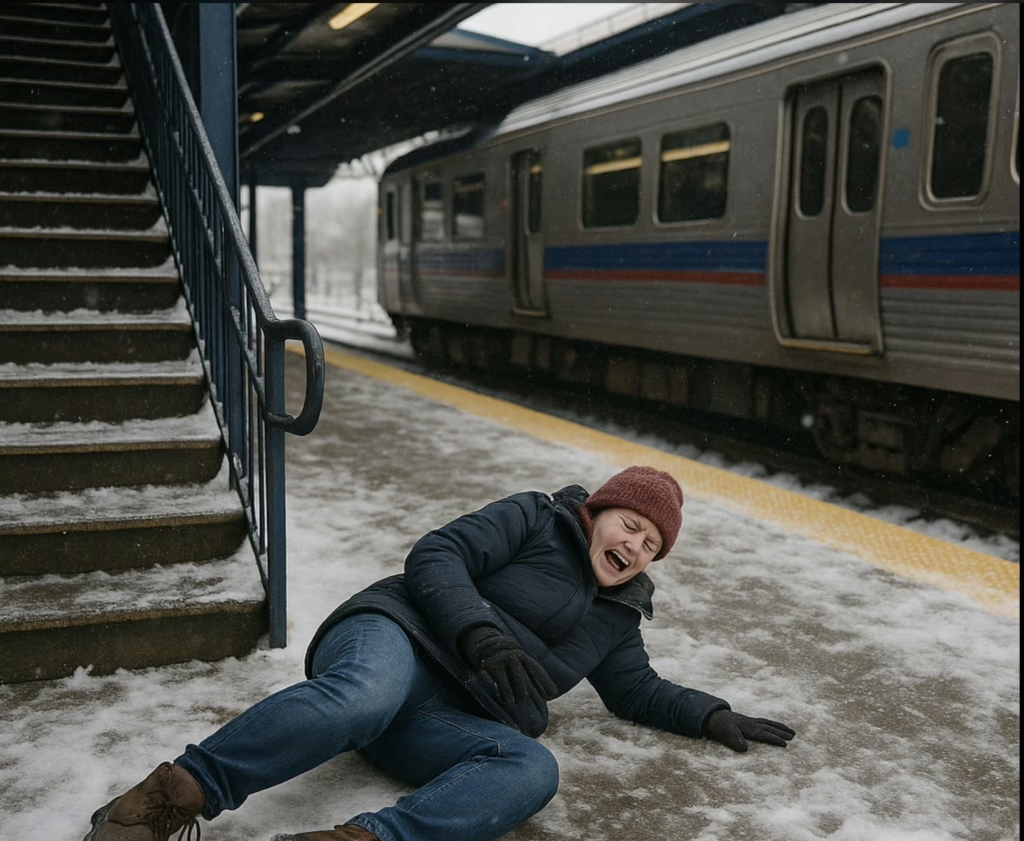
Winter in Philadelphia brings snow, slush, freezing rain—and a surge in slip-and-fall injuries at SEPTA and PATCO train stations. Commuters rushing to work, travelers carrying bags, and families navigating icy platforms face real hazards when station operators fail to keep walkways safe.
If you slipped on ice or snow at a train station, here’s what you need to know about your rights, who may be responsible, and what steps to take next.
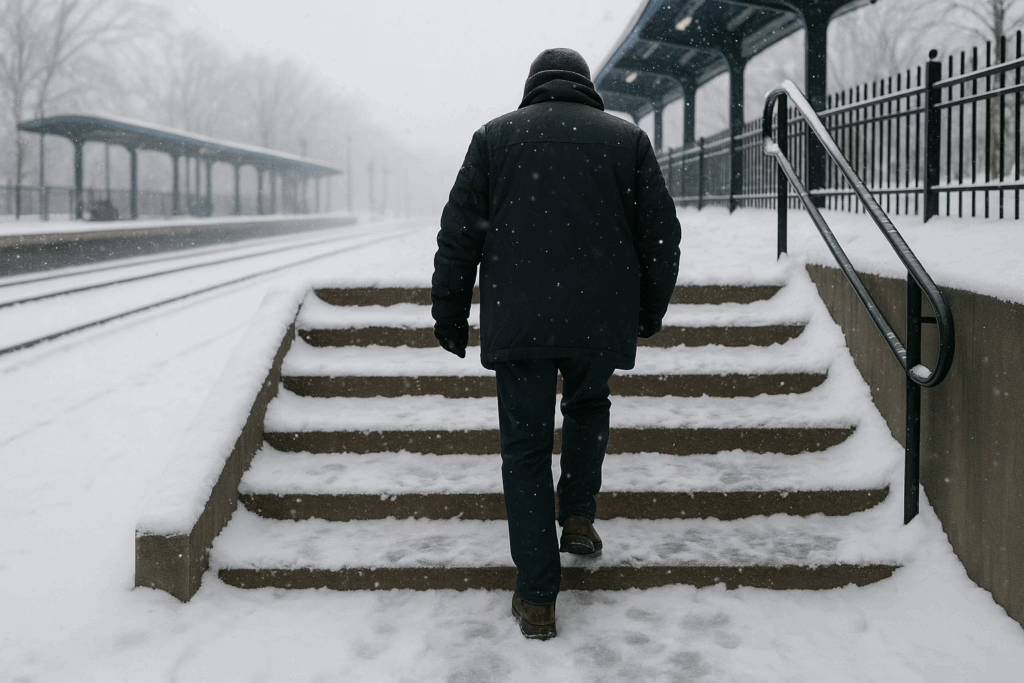
Why Train Stations Become So Dangerous in Winter
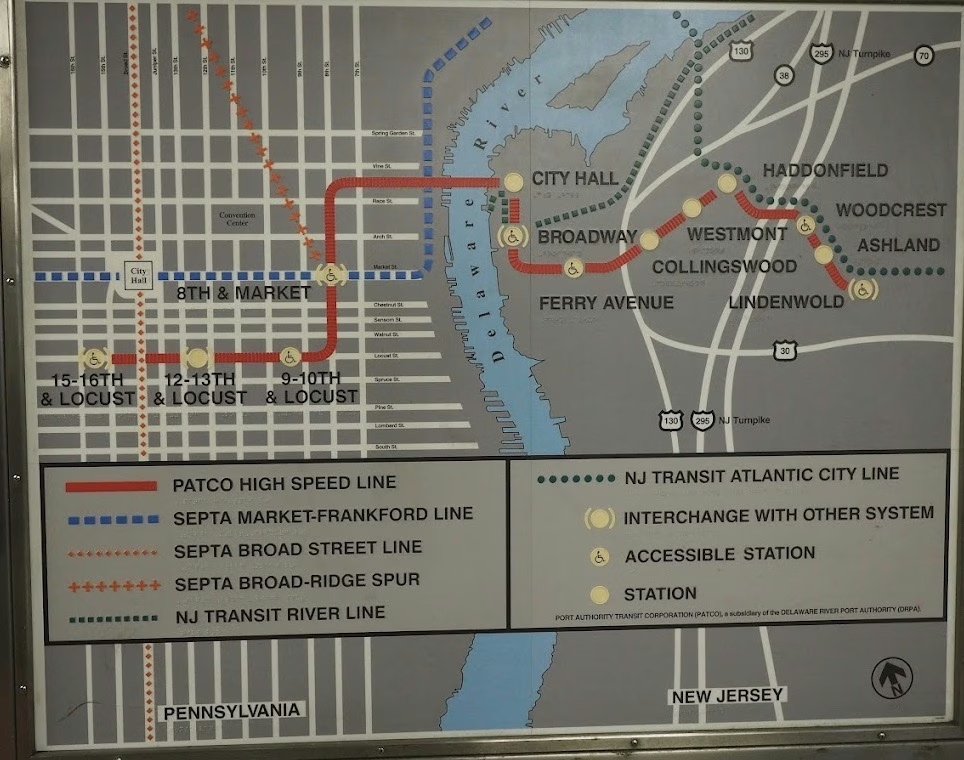
As a lifelong Philadelphian, I’ve watched riders at stations like 8th & Market and 15–16th & Locust gingerly pick their way across slushy steps after a storm. On some winter mornings, one side of the stairs will be salted while the other is still covered in a thin sheet of ice, or caution cones come out only after people have already slipped. Those are the kinds of preventable conditions that turn an ordinary commute at a Philadelphia train station into an ambulance ride.
Unlike sidewalks or private properties, train stations handle thousands of people daily. When winter weather hits, even a short delay in clearing snow and ice can create:
- Black ice on steps and platforms
- Slush build-up near entrance doors
- Wet, slippery tile floors inside station buildings
- Uncleared snow along pedestrian routes and parking lots
SEPTA and PATCO have non-delegable duties to maintain reasonably safe conditions. When they fail, commuters are the ones who get hurt.
Common Train-Station Slip-and-Fall Injuries
Slip-and-fall accidents on icy platforms or steps often cause:
- Broken wrists or elbows from bracing the fall
- Hip fractures
- Concussions
- Herniated discs
- Torn ligaments
- Severe bruising and chronic pain
Some cases even involve falls onto the tracks, leading to catastrophic injuries.
Who May Be Responsible?
Responsibility can fall on:
1. SEPTA or PATCO (Public Transit Operators)
They are typically responsible for:
- Clearing snow and ice
- Salting steps, ramps, and platforms
- Inspecting and maintaining station safety
- Posting warning signs or blocking off unsafe areas
When they fail to follow protocols, they may be liable.
2. Third-Party Maintenance Contractors
SEPTA and PATCO sometimes hire contractors for snow removal. If the contractor was negligent, they may also be responsible.
3. Private Property Owners
Some stations sit on or border private property (shopping centers, garages, or commercial buildings). These owners may also be liable under premises liability law.
What To Do After a Slip-and-Fall at a Train Station
Philadelphia train station slip and fall accidents can cause extreme injuries, often live changing. Please follow these pointers below:
1. Report the Incident Immediately
Tell a station manager or attendant and request an incident report. Get the employee’s name.
2. Photograph Everything
Take clear photos of:
- The icy condition
- Steps, platforms, or pathway where you fell
- Lack of salting or warning signs
- Weather conditions
3. Get Witness Information
Commuters often see exactly how slippery the area was. Their statements can be crucial.
4. Seek Medical Care
Even minor injuries can worsen over time—especially head, neck, or back injuries.
5. Preserve Your Shoes
Snow, salt, and moisture patterns on footwear can show how the fall happened.
Even a “simple” winter slip-and-fall at a station can trigger months of medical visits, time off work, and long-term pain that changes how you move through the world. To see how these losses add up, check out our guide to the hidden costs of a personal injury in Philadelphia.
Can You File a Claim Against SEPTA or PATCO?
Yes, but the process is very different from a typical slip-and-fall case. Philadelphia train station slip and fall accidents can be tricky due to deadlines.
Both SEPTA and PATCO are governed by rules related to sovereign immunity. There are strict notice requirements and shortened timelines. You may need to file a written Notice of Claim within 6 months.
Missing this deadline can bar your claim entirely.
That’s why many commuters get connected with an injury lawyer early—so evidence is preserved, deadlines are met, and the right parties are identified quickly.
Get Connected With the Right Lawyer
SEPTA and PATCO claims are known to be complex, technical, and time-sensitive. PhillyLegalConnect helps you get connected with local lawyers who handle these cases every day.
Center City, South Jersey, PATCO corridor—wherever your incident happened, help is available.
Your First Call for Injury Law — (215) 883-4412
Frequently Asked Questions
1. What if I didn’t file a report at the station?
You can still pursue a claim, but report delays make it more important to get photos, witnesses, or medical documentation.
2. Are SEPTA and PATCO automatically responsible for snow and ice?
No—but they must act reasonably. Long delays or ignoring known hazards often creates liability.
3. How long do I have to file a claim?
Claims against public agencies have shorter deadlines. Many require written notice within six months.
4. What compensation can I recover?
Medical bills, lost wages, pain and suffering, long-term disability, and future care costs.
5. How do I know if a contractor, not SEPTA/PATCO, is at fault?
Lawyers review contracts, maintenance logs, and snow-removal records to determine responsibility.
About the Author — Thomas G. Oakes
Thomas G. Oakes is a lifelong Philadelphian and the founder of PhillyLegalConnect.com and PhillyLegalNews.com. With more than 45 years of experience in the legal field, Tom served as an official court reporter in the Philadelphia courts and spent decades as a freelance reporter in both state and federal litigation.
He is a nationally recognized leader in courtroom technology, a certified TrialDirector trainer, and has taught lawyers, judges, and law students across the country — including at Temple University’s LL.M. in Trial Advocacy program and through major legal organizations such as the FDCC, IADC, and ABA. Tom has also lectured for the Delaware County Bar Association, the Gloucester County Bar Association in New Jersey, and presented for The Legal Intelligencer at Philadelphia’s Union League and other venues, speaking on trial technology, visual advocacy, and modern courtroom presentation.
Through PhillyLegalConnect and PhillyLegalNews, Tom blends his courtroom experience, technology expertise, and deep Philadelphia roots to help injured individuals and their families better understand the legal system — and connect with trusted trial lawyers when it matters most.
To read more about the author, visit the full biography here:
https://phillylegalnews.com/about-the-editor/
Disclaimer
PhillyLegalConnect is not a law firm and does not provide legal advice. The information on this website is for educational purposes only and does not create an attorney–client relationship. If you need legal advice about a personal injury matter, we can help connect you with qualified Philadelphia trial lawyers who can evaluate your case.