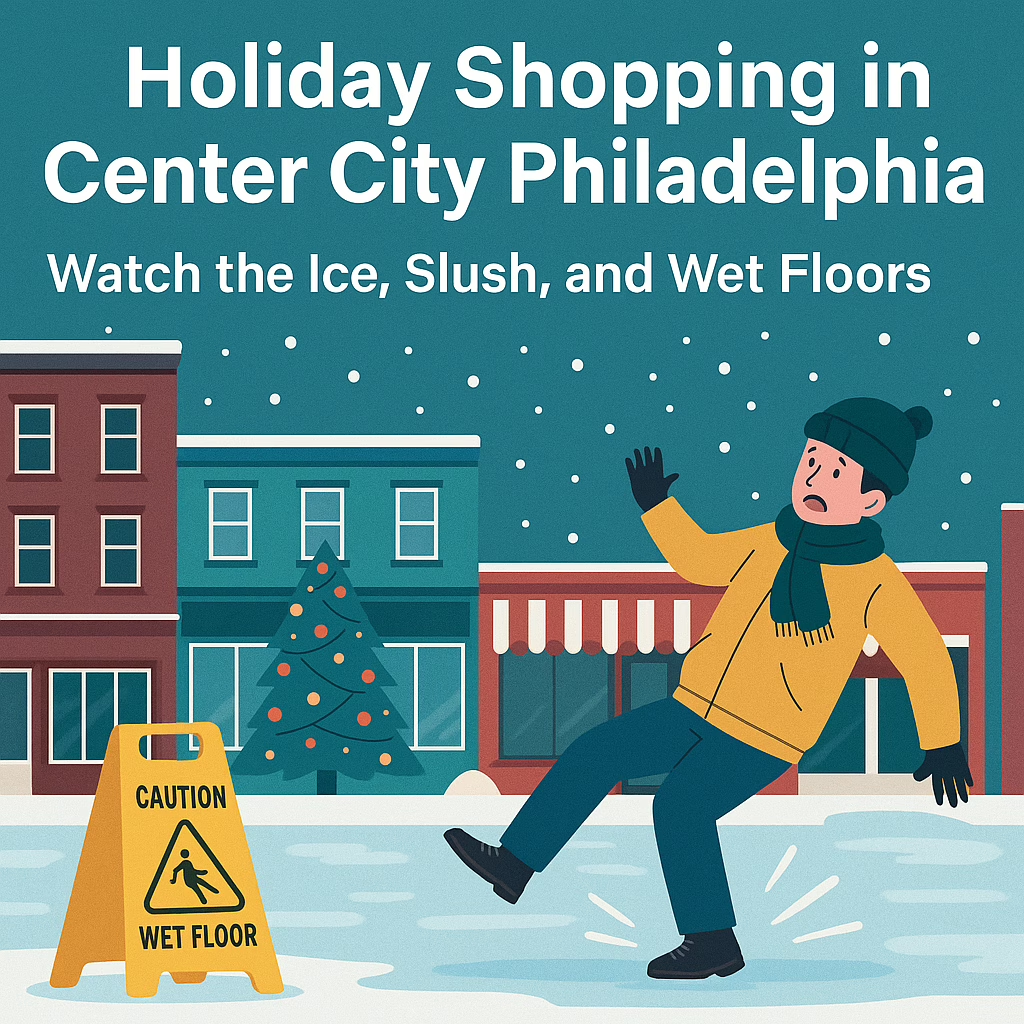
Holiday shopping in Philadelphia is magical — but it also brings crowded sidewalks, wet floors, and winter hazards that cause many Center City slip-and-fall injuries each year.
Center City during the holidays has a feel all its own—window displays, packed sidewalks, and that “let’s meet right here” energy that existed long before anyone had a cell phone. As the busy season approaches, it’s important to be aware of potential hazards like holiday shopping slip and fall accidents, especially in bustling places like Philadelphia. Blocks near City Hall, Dilworth Park, and Chestnut Street shopping corridors tend to collect ice and slush quickly.
When I was a kid, Market Street was the main event: Gimbels, Lit Brothers, Strawbridge & Clothier, and of course John Wanamaker—with the big Eagle on the first floor, where everyone would pick a time and actually show up. Wanamaker’s Crystal Tea Room was a classic during the holidays, and getting into Center City often meant taking the C bus on Broad Street—back when it was PTC, now SEPTA. And if you needed something quick? Horn & Hardart’s on Broad Street was legendary—hot food, coffee, and a piece of cake without the wait.
But here’s the modern reality: holiday crowds plus winter weather create the perfect recipe for slip-and-fall injuries—especially in Center City, where foot traffic is high and surfaces change every ten steps.
Why the Holidays Increase Slip-and-Fall Risk
Winter in Philadelphia is unpredictable. A “pretty” morning can turn into slick sidewalks by lunchtime. The usual culprits include:
- Black ice on shaded sidewalks and curb cuts
- Slush refreezing at corners and crosswalks
- Wet floors in store entrances when snow and rain get tracked inside
- Loose mats and slick tile near doors
- Parking garages with slick ramps, puddles, and poor lighting
- Steps and uneven pavement hidden by crowds, bags, and umbrellas
Winter hazards often connect to a property owner’s responsibility to keep walkways safe. For a deeper look at common terms in injury cases, see our Personal Injury Glossary
Common Holiday Fall Locations in Center City
If you’re shopping, dining, or walking to see the lights, these are the “high-alert” spots:
- Store entryways (wet tile + rushed footsteps)
- Sidewalks outside storefronts (ice piles from plows and shoveling)
- Crosswalks and curb cuts (slush + uneven surfaces)
- Parking garages (slick ramps and puddles)
- Transit areas (station entrances, stairways, platforms)
- Hotel and office lobbies (polished floors + wet shoes)
A Quick “Stay Upright” Checklist
- Wear shoes with real traction (holiday style is great—until tile + meltwater happens)
- Keep one hand free (balance matters; don’t carry 10 bags like a hero)
- Slow down on corners, curb cuts, and shaded blocks
- Assume fresh-looking slush is slippery
- Watch for mats that curl or slide at entrances
- If you see a wet floor with no warning sign, remember that detail
If You Fall: 7 Things to Do (In Order)
- Get safe. Move out of foot traffic if you can.
- Report it immediately to the manager, security, or building desk.
- Photograph/video the hazard before it changes (ice, slush, puddle, mat, lighting).
- Get witness names/numbers. Holiday crowds disappear fast.
- Ask for an incident report (or confirm who took the report).
- Get medical attention—head, wrist, hip, and back injuries can worsen later.
- Be careful with recorded statements to an insurer on the spot.
Who Can Be Responsible?
In many Center City fall cases, responsibility depends on who controlled the area and whether they had a reasonable opportunity to fix or warn about a dangerous condition. That could involve a store, a building owner/manager, a tenant (depending on control/lease), and sometimes a contractor (snow removal/maintenance).
The Oakes Firm: Your First Call for Injury Law
If you’re injured while holiday shopping in Center City—whether it’s ice outside, a wet entrance, or a slippery lobby—get advice early so the evidence doesn’t disappear with the next mop, salt truck, or snow melt.
The Oakes Firm — Your First Call for Injury Law
Phone: (215) 883-4412
Get Connected: TheOakesFirm.com/contact/
Want tips year-round? Our Philadelphia safety posts — including the Neighborhood-by-Neighborhood Intersection Guide — help you stay informed before and after an accident.
Holiday Slip & Fall FAQ (Center City Philadelphia)
What if there was no wet-floor sign or warning cone?
Missing warnings can matter. Photograph the area and note whether any signs were present (or not), plus where the hazard was located.
What if it “just started snowing” and the property says they had no time?
Timing can matter, but so does what the property did (mats, cones, salting, inspections, cleanup plan, or staff monitoring).
What should I document right after a fall?
Photos/video of the hazard, your footwear, the surrounding area, lighting, mats, and the path of travel—plus witness names and who you reported it to.
What if I fell outside a store—who’s responsible?
It depends on who controlled that area (store, building owner/manager, tenant, or a snow removal contractor) and whether reasonable safety steps were taken.
What if I was embarrassed and left without reporting it?
Write down what happened immediately, return (if safe) to photograph the area, preserve medical records, and identify any witnesses you can.
Should I talk to an insurance adjuster right away?
Be careful with recorded statements. You can provide basic facts, but consider getting advice before giving a detailed recorded statement.
On PhillyLegalConnect, Tom writes practical, Philadelphia-specific safety and injury-law content designed to help readers make informed decisions after an accident.
Get Connected (The Oakes Firm) Phone: (215) 883-4412
Disclaimer: This article is for general informational purposes only and does not constitute legal advice. Reading this article does not create an attorney–client relationship. Every case is different, and deadlines may apply. If you have questions about a specific injury or incident, consult a qualified attorney promptly.