
Introduction: A Perfect Day on the Water Can Turn Dangerous in Seconds
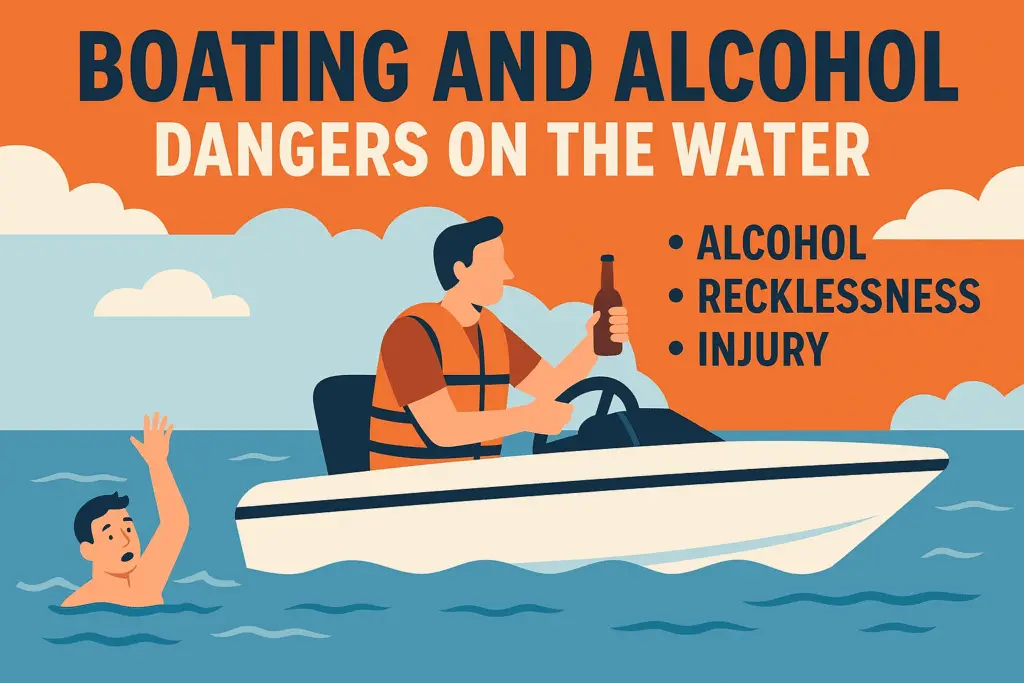
There’s nothing like a day on the water—whether you’re on the ocean, a bay, or a quiet lake. But boating under the influence of alcohol or drugs is one of the leading causes of fatal accidents on the water. It’s not just dangerous—it’s illegal. When you mix alcohol, heat, and high speeds, your risk of injury or death increases dramatically. Add in unpredictable weather, rip tides, and reckless behavior, and a fun outing can turn tragic in seconds.
This article explores the dangers of boating and alcohol, the Coast Guard licensing rules, internal and external safety resources, and essential tips to protect swimmers, riders, and everyone enjoying the water this season.
The Hidden Dangers of Boating Under the Influence
Operating a boat or personal watercraft (PWC) under the influence of alcohol slows reaction time, impairs judgment, and increases the risk of crashes or drowning. These effects are intensified by sun, wind, motion, and dehydration—collectively known as boater’s fatigue.
Many people don’t realize that boating under the influence (BUI) carries the same legal and safety risks as driving drunk—and in some ways, it’s even more dangerous. According to the U.S. Coast Guard, alcohol is a leading contributing factor in recreational boating fatalities.
Coast Guard Licensing Rules and Boater Education
Before operating a boat or jet ski, most states require a boating safety education certificate or boater card. The U.S. Coast Guard and NASBLA provide guidelines, including:
- Completion of an approved boating safety course
- Age requirements for operating vessels or personal watercraft
- Knowledge of right-of-way rules, navigation lights, and no-wake zones
- Carrying the correct number and type of U.S. Coast Guard–approved life jackets
- Operating sober and responsibly
Find out what’s required in your state through NASBLA’s Boater Education Map.
Extreme Water Play: Risky Doesn’t Mean Fun
Reckless water behavior—including jumping wakes, speeding through crowded areas, or riding personal watercraft near swimmers—dramatically increases the likelihood of injury or death. Even a small jet ski can cause devastating injuries when operated irresponsibly.
People on floats, rafts, or paddleboards often go unseen. Unlike cars, boats don’t have brakes—which means avoiding someone in the water often comes down to seconds.
Unpredictable Conditions: Rip Currents, Weather & Water Hazards
The water can turn deadly fast—especially on the ocean or coastal inlets. NOAA and the National Weather Service Marine Forecast recommend boaters watch for:
🌊 Rip Currents
- Strong, narrow channels of water that pull swimmers out to sea
- Can appear near jetties, inlets, or sandbars
- Often invisible until it’s too late
If caught in a rip current, swim parallel to the shore, not directly against it.
⚠️ Sudden Weather Shifts
- Coastal storms and wind gusts can form within minutes
- Can create waves, reduce visibility, and capsize smaller vessels
- Always check the marine forecast before heading out
Safety First: Life Jackets and Equipment Save Lives
Boaters should always ensure they meet Coast Guard safety requirements:
- ✔ One approved life jacket per person (and easily accessible)
- ✔ Throwable flotation device on board
- ✔ Fire extinguisher, sound signaling device (horn or whistle), and flares
- ✔ Safety knowledge shared with all passengers
- ✔ A float plan left with someone onshore
The U.S. Coast Guard Boating Safety Resource Center offers a complete equipment checklist and safety guides.
Legal and Civil Consequences of BUI
Operating a boat while impaired is a criminal offense in every state. Penalties include:
- Heavy fines
- Jail time
- Suspension of boating privileges
- Criminal record
- Civil lawsuits for injury or wrongful death
To learn how BUI compares to DUI laws in Pennsylvania, check out our post on DUI vs. DWI: What’s the Difference?
Conclusion: Respect the Water and Everyone On It
Oceans, bays, and lakes offer unforgettable memories—but only when safety is part of the plan. Alcohol, thrill-seeking, and poor preparation can turn a summer day into a tragedy.
✅ Assign a sober captain
✅ Know your safety gear
✅ Follow Coast Guard rules
✅ Check weather and water conditions
✅ Keep watch for swimmers and paddlecraft
Fun doesn’t have to be reckless. Protect yourself, your guests, and others sharing the water.
Disclaimer:
This article is for informational purposes only and does not constitute legal advice. Boating laws and safety requirements vary by state and jurisdiction. For specific legal guidance, consult a qualified attorney licensed in your area. Always follow U.S. Coast Guard and local boating regulations.
