
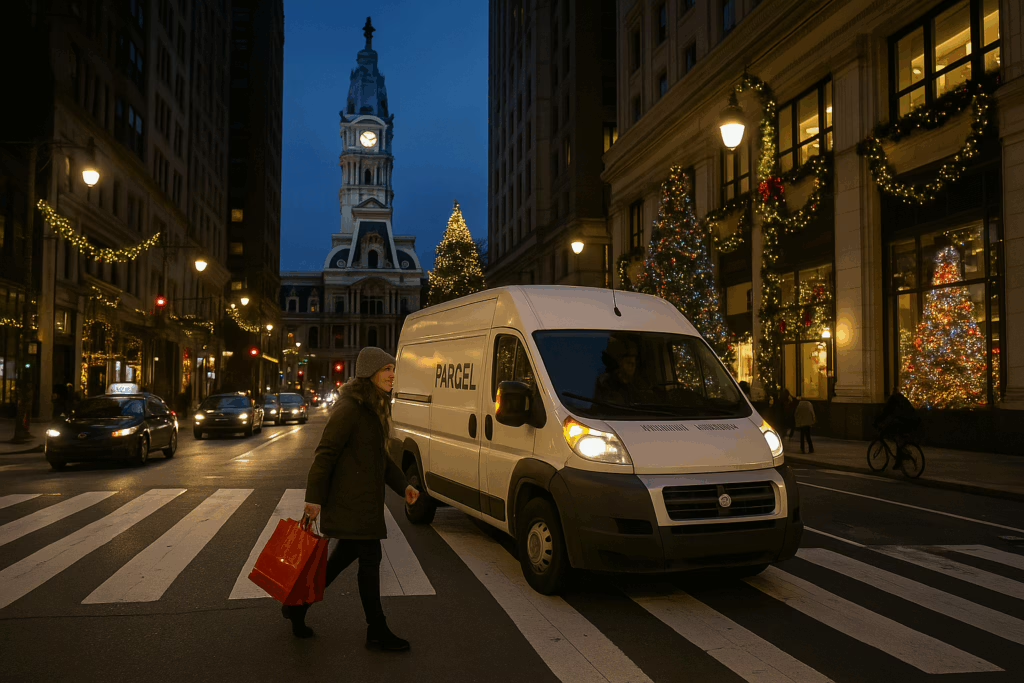
Delivery vans, rideshare drivers, and gig-economy couriers now dominate Philadelphia’s streets—especially around Market Street, City Hall, and the Center City corridor. With drivers racing to meet tight deadlines, navigating unfamiliar addresses, and relying on their phones for constant updates, pedestrian accidents are increasing at an alarming rate.
For a city-wide look at how rideshare and delivery crashes are happening across Philadelphia, see our guide to rideshare, delivery & gig-worker accidents in Philadelphia.
And during the holiday delivery season, the risks climb even higher.
Shoppers, office workers, tourists, and families heading to Dilworth Park or City Hall’s holiday attractions are often forced to share tight spaces with:
- Amazon, UPS, FedEx, and USPS trucks
- Uber, Lyft, and taxi traffic
- DoorDash, Uber Eats, and Grubhub drivers
- Couriers on e-bikes and scooters
For pedestrians, one distracted moment from a driver can change everything.

How Gig-Economy Pressure Leads to Dangerous Streets
In Philly, we’re used to crowded sidewalks and busy crosswalks—but the delivery boom has changed everything.
Companies like:
- Amazon / Amazon Flex
- UPS & FedEx
- USPS & regional couriers
- DoorDash, Uber Eats, Grubhub
- Instacart, Shipt, and other app-based services
…all rely on fast, on-demand drivers who are often juggling multiple tasks at once:
- Navigating traffic and tight Center City streets
- Reading delivery instructions
- Watching for app updates and timers
- Scanning for apartment or office numbers
Many of these workers are independent contractors, which increases pressure to:
- Complete more deliveries per hour
- Drive unfamiliar routes under time pressure
- Search for addresses while the vehicle is moving
- Beat app-driven deadlines and “on-time” metrics
- Work long shifts without proper rest
It’s a perfect setup for distracted and rushed driving—especially near crosswalks and intersections.
The Exact Scenario Playing Out Across Market Street
The scenario we see over and over around Market Street, City Hall, and the Central Business District looks like this:
A delivery driver—distracted, overwhelmed, and looking down at a phone or GPS—strikes a pedestrian already in the crosswalk.
This can happen when drivers:
- Look down to confirm the next delivery or pickup
- Check the next stop while rolling forward in traffic
- Scan for building numbers and entryways instead of watching the road
- Try to merge into tight lanes during rush hour or holiday congestion
- Brake late because their attention is on the app, not the crosswalk
For pedestrians, especially during evening commute hours and holiday shopping season, this creates serious danger at:
- Market Street & 15th / City Hall
- Crosswalks near Dilworth Park and LOVE Park
- Areas around Jefferson Station and Suburban Station
- Intersections near Reading Terminal Market
Even at “low” speeds, a pedestrian hit by a car or small delivery vehicle can suffer severe injuries.
Rental Trucks Add Another Layer of Risk
During November through January, thousands of seasonal workers drive:
- U-Hauls
- Budget trucks
- Ryder and Penske rentals
- Other box trucks and cargo vans
…to deliver packages for Amazon Flex, seasonal UPS and FedEx hires, and other contract delivery companies.
These vehicles:
- Have large blind spots
- Are harder to stop quickly, especially when loaded
- Are often driven by relatively inexperienced drivers
- May be poorly loaded or packed, affecting braking and control
Combine that with phone-based navigation and unfamiliar city streets, and pedestrian collisions spike—particularly:
- Around Market Street, Chestnut, and Walnut
- Near large office towers and hotels
- In narrow Center City side streets with heavy foot traffic
Who Gets Hurt Most in These Accidents?
Gig-economy delivery crashes in Center City often injure:
- Pedestrians in crosswalks
- Office workers stepping out for lunch or heading to SEPTA
- Tourists and visitors near City Hall and Dilworth Park
- Older Adults crossing Market, Chestnut, or Walnut Streets
- Cyclists traveling through Center City bike lanes
- Commuters rushing to trains at 30th Street or Jefferson Station
Even a “low-speed” impact can cause:
- Concussions and other traumatic brain injuries
- Broken wrists and arms from bracing during a fall
- Knee, leg, and ankle fractures
- Neck and back injuries
- Long-term mobility issues and chronic pain
After a Delivery Driver Hits You — What Happens Next?
Many people are shocked to learn how complicated these cases can become.
You may be dealing with:
- A driver working for multiple apps
- A vehicle that’s personally owned but being used commercially
- A mix of personal and commercial insurance policies
- A company that claims, “They’re just an independent contractor, not our employee.”
Key issues often include:
- Which company (or companies) were they working for?
- Whether the app was active at the time of impact
- What insurance is primary, and what is excess?
- Whether the company’s commercial policy applies at all
Evidence needs to be collected quickly, such as:
- Driver and vehicle information
- App screenshots and delivery logs
- Any available dashcam or surveillance footage
- Witness statements from people who saw the collision
Without early documentation, companies and insurers may try to cast doubt on what really happened.
What To Do If You’re Hit by a Delivery or Gig-Economy Driver
If you’re struck by a gig driver or delivery vehicle in Philadelphia—whether on Market Street, near City Hall, or anywhere in the city—these steps can help protect your health and your case:
- Get to a safe place and call 911.
Request police and medical help. Make sure an official report is created. - Get medical care right away.
Even if you think you’re “okay,” concussions and soft-tissue injuries often show up later. - Collect information at the scene (if you’re able).
- Driver’s name and contact info
- License plate and vehicle description
- Company/app they’re working for (Amazon, UPS, DoorDash, etc.)
- Take photos or video.
- The intersection or crosswalk
- The vehicle and damage
- Street signs, traffic signals, and weather conditions
- Visible injuries
- Ask a friend or family member to help document if you can’t.
Your health comes first—someone else can help with photos and information. - Avoid giving detailed or recorded statements to insurers before you understand your rights.
You can provide basic facts, but it’s wise to speak with a lawyer first.
How PhillyLegalConnect Can Help You Find the Right Lawyer
As fifth-generation Philadelphians, we’ve seen how devastating these injuries can be—especially around the holidays, when families rely on each other the most. The Oakes Firm specializes in these matters and is consulted by attorneys and law firms all over America for advice.
If you or someone you care about was hit by:
- A delivery van or truck (Amazon, UPS, FedEx, USPS, or a regional courier)
- A rideshare driver (Uber, Lyft, or similar)
- A gig worker on a bike, scooter, or in a personal vehicle
- A rental truck being used for holiday deliveries
…you don’t have to untangle the insurance and liability issues alone.
PhillyLegalConnect is not a law firm.
We’re an independent resource that helps people Get Connected with trusted personal injury firms in Philadelphia— including The Oakes Firm, Your First Call for Injury Law.
There’s no fee to use PhillyLegalConnect to connect with The Oakes Firm, and the firm only gets paid if they win.
Get Connected with The Oakes Firm
If a gig-economy or delivery driver hit you in Center City, on Market Street, near City Hall, or anywhere in Greater Philadelphia, you can get help today.
Your First Call for Injury Law • (215) 883-4412
Frequently Asked Questions: Holiday & Gig-Economy Delivery Accidents in Center City
1. What makes gig-economy delivery accidents so common in Philadelphia?
Apps like Amazon Flex, DoorDash, Uber Eats, and Instacart push drivers to multitask—checking phones, locating addresses, and racing timers—while navigating crowded Center City streets. That combination of distraction + pressure + dense traffic leads to more pedestrian and cyclist crashes.
2. Are companies like Amazon or UPS responsible when their drivers hit pedestrians?
It depends. Responsibility can turn on:
- Whether the driver is an employee or independent contractor
- What type of vehicle they were driving
- What they were doing at the time (on-duty vs. off-duty)
Some companies provide commercial coverage; others point to the driver’s personal policy. A lawyer familiar with gig-economy cases can help sort out who may be responsible.
3. What should I do if I’m hit by a delivery driver near City Hall or on Market Street?
As soon as possible:
- Call 911 and get a police report
- Get medical treatment
- Collect driver and vehicle information
- Take photos of the scene and your injuries
- Note any company branding (Amazon, UPS, FedEx, USPS, DoorDash, etc.)
Then, consider speaking with a lawyer who has experience handling delivery and gig-economy crash cases.
4. Does insurance work differently for gig-economy drivers?
Yes. Some companies provide commercial insurance while drivers are actively working; others rely heavily on personal auto policies, which may or may not cover delivery use. Each platform has different rules, so coverage can change based on the exact status of the driver and the trip.
5. Can PhillyLegalConnect help me find a lawyer for a holiday delivery or gig crash?
Absolutely. PhillyLegalConnect helps injured people Get Connected with trusted trial lawyers in Philadelphia, including The Oakes Firm, Your First Call for Injury Law. There’s no cost to be connected, and you can speak directly with a firm that understands these complex cases.
Legal Disclaimer
This article is for information and education only. It is not legal advice and does not create an attorney–client relationship. Every case is different. If you have been injured or have questions about your legal rights, you should consult directly with a licensed attorney to obtain advice about your specific situation.
About the Author — Thomas G. Oakes
Thomas G. Oakes is a lifelong Philadelphian and the founder of PhillyLegalConnect.com and PhillyLegalNews.com. Tom served for many years as an official court reporter in the Philadelphia court system and has also worked for decades as a freelance court reporter in state and federal court matters.
In addition to his courtroom experience, Tom is a nationally recognized leader in trial technology. He is a certified TrialDirector trainer and has taught TrialDirector and courtroom technology to lawyers, judges, and law students across the country, including programs at Temple University’s LL.M. in Trial Advocacy and other law schools. Tom helped design and teach the technology curriculum for the Federation of Defense & Corporate Counsel (FDCC) through its “Tech U” programs and has spoken at numerous national and international legal organizations about using technology effectively at trial.
Through PhillyLegalConnect and PhillyLegalNews, Tom combines his decades of courtroom experience, technology expertise, and deep Philadelphia roots to help injured people and their families better understand the legal system—and connect with trusted trial lawyers when it matters most.